Interviste
La vita non ci deve niente: intervista ai Touché Amoré

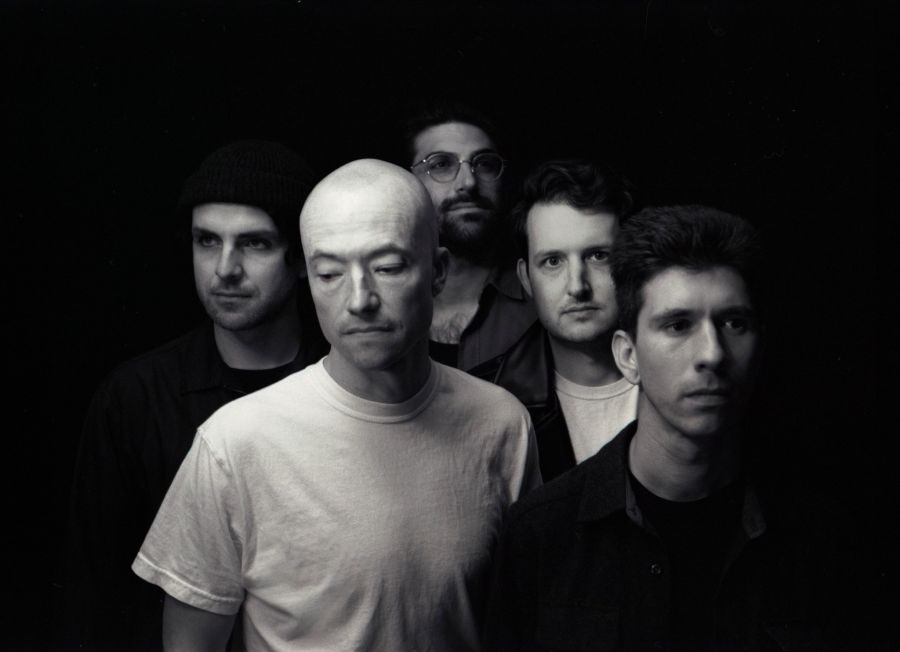
In pochi in giro sanno raccontare i guai della vita come i Touché Amoré e la conferma è arrivata anche dall’ultimo album “Spiral in a Straight Line“, uscito lo scorso 11 ottobre su Rise Records (qui la nostra recensione). Un trattato sull’avere 40 anni, un manifesto di resistenza e accettazione, che forse proprio per questo suona meno impetuoso e sconvolgente dei precedenti lavori. Ma non c’è dubbio sul fatto che i Touché Amoré siano al vertice della scena hc contemporanea. Ne abbiamo parlato con il frontman Jeremy Bolm.
Se “Is Survived By” era l’album dei tuoi 30 anni, sostanzialmente un trattato sull’ingresso nei 30, “Spiral in a Straight Line” è l’album dei tuoi 40 anni? Mi sembra meno focalizzato su traguardi e riflessioni e più in pace con il trascorrere del tempo. Invece, sembra quasi una guida per accettare l’inevitabilità delle cose e mantenere una direzione stabile nel caos della vita. Cosa ne pensi?
Sì, mi sembra corretto. C’è un’importante forma di accettazione nel capire che il mondo non ti deve nulla e che devi solo affrontare le sue prove e tribolazioni. Quando hai 30 anni ti resta ancora un po’ di ottimismo. A 40, invece, si tratta solo di accettare qualunque cosa quel giorno ti dia o ti tolga.
Come descriveresti l’evoluzione del vostro suono dagli inizi ad oggi?
All’inizio erano canzoni primitive, sotto i due minuti. Pochi testi. Iper specifici e spesso goffi. Ora le nostre canzoni durano in media tre minuti e abbiamo imparato a scrivere i ritornelli, con testi più diretti e, si spera, meno goffi.
“Spiral in a Straight Line” è il vostro primo lavoro dopo l’ingresso in Rise Records: come è nato questo nuovo rapporto?
Il nostro contratto con Epitaph era scaduto. Ci piace esplorare e provare cose nuove. Se guardi alla nostra discografia, spesso facciamo due album e poi cerchiamo qualcosa di diverso: etichette, produttori, ecc. Rise ha mostrato interesse, il loro entusiasmo e conoscenza della band e la comprensione dei nostri obiettivi, insieme a contratti molto favorevoli per gli artisti, ci hanno fatto sentire a nostro agio nel fare il cambiamento.
Con il vostro precedente album “Lament”, avete scelto Ross Robinson come produttore e avete fatto lo stesso per il nuovo album: com’è lavorare con lui?
Molto intenso. Molto impegnativo. Molto gratificante. Spinge tutti al limite e quello che ottieni sono performance molto crude. Non è per tutti, ma se sei disposto a lasciarti andare, ottieni risultati.
Cosa hanno in comune i Touché Amoré e Hal Ashby? Qual è il tuo rapporto con il cinema?
Hal Ashby ha fatto film su personaggi tragicamente incompresi, e sento un’affinità con questo. La maggior parte di noi in questo mondo è tragicamente incompresa. Sono un grande cinefilo; a questo punto della mia vita mi sento più connesso al cinema che a molte altre cose.

Jeremy, nei tuoi testi sembra esserci spesso una sorta di lotta interiore, quasi una forma di resistenza ai problemi della vita. Come ti senti a condividere questi aspetti così personali della tua vita con il pubblico?
Credo ci sia una resistenza. O meglio, è il riconoscimento delle lotte, così che sappiano che sono consapevole della loro esistenza. Non penso molto all’impatto della condivisione, perché non sai mai davvero chi ti sta ascoltando. L’espressione è espressione.
Com’è cambiato il tuo approccio alla musica dagli inizi ad oggi? Le tue influenze e ciò che ascolti sono rimasti gli stessi o sono cambiati negli anni?
Si spera che i gusti musicali di tutti si espandano nel tempo. Amo l’hardcore tanto quanto il prossimo, ma se fosse l’unica cosa che ascoltassi, probabilmente sarei meno equilibrato. L’apprezzamento del gruppo per tutti i generi musicali è ciò che ci dà il nostro suono. Se non amassimo tutti Tom Petty o i Death Cab, non so che suono avremmo oggi.
Da diversi anni assistiamo a una rinascita della scena hardcore americana, con molte nuove band che emergono e spesso ottengono grande successo (penso a Drain, Turnstile, Scowl, Drug Church e così via). Perdonami il termine, ma ti vedo come una sorta di mentore, un vero punto di riferimento per chi vuole suonare un certo tipo di hardcore oggi. Cosa ne pensi? Qual è il tuo rapporto con queste nuove band?
Ad essere onesti, alcune delle band menzionate esistono da oltre dieci anni, ma capisco cosa intendi. Non ci vedo come mentori, non sono sicuro di essere necessariamente un’influenza per nessuna di loro. Abbiamo suonato con tutte le band menzionate tranne Drain, con cui non abbiamo molta familiarità ma per cui abbiamo rispetto. Ho intervistato il loro cantante Sammy per il mio podcast, ed è un tipo gentile. Penso che ci sia un’ispirazione reciproca che ci diamo semplicemente per il fatto di esistere ancora, in un momento in cui è sempre più difficile vivere di musica.
Torniamo al vostro ultimo album: come sono nate le collaborazioni con Lou Barlow e Julien Baker?
Conosciamo Julien fin dall’inizio della sua carriera solista. Questa è la sua terza collaborazione con noi su un album. Lou Barlow è stato così gentile da rispondere a una mia email in cui spiegavo l’importanza della sua canzone Brand New Love e quanto significasse la sua voce per il brano.
Cosa speri che il pubblico tragga dall’ascolto di uno dei vostri album o dalla partecipazione a uno dei vostri concerti?
Qualcosa di viscerale. Se riescono a identificarsi, spero capiscano di non essere soli.
Hai vissuto molte esperienze all’interno della comunità hardcore. Ha ancora senso oggi parlare di comunità o addirittura di sottoculture nella musica?
L’idea di comunità è bella, ma con le persone perennemente online e meno gentili tra loro, è difficile pensare che non sia perduta. Ma poi senti il collettivo amore ed energia positiva di un concerto, dal vivo, e può riportare in vita il concetto di comunità. Anche solo per tre ore.

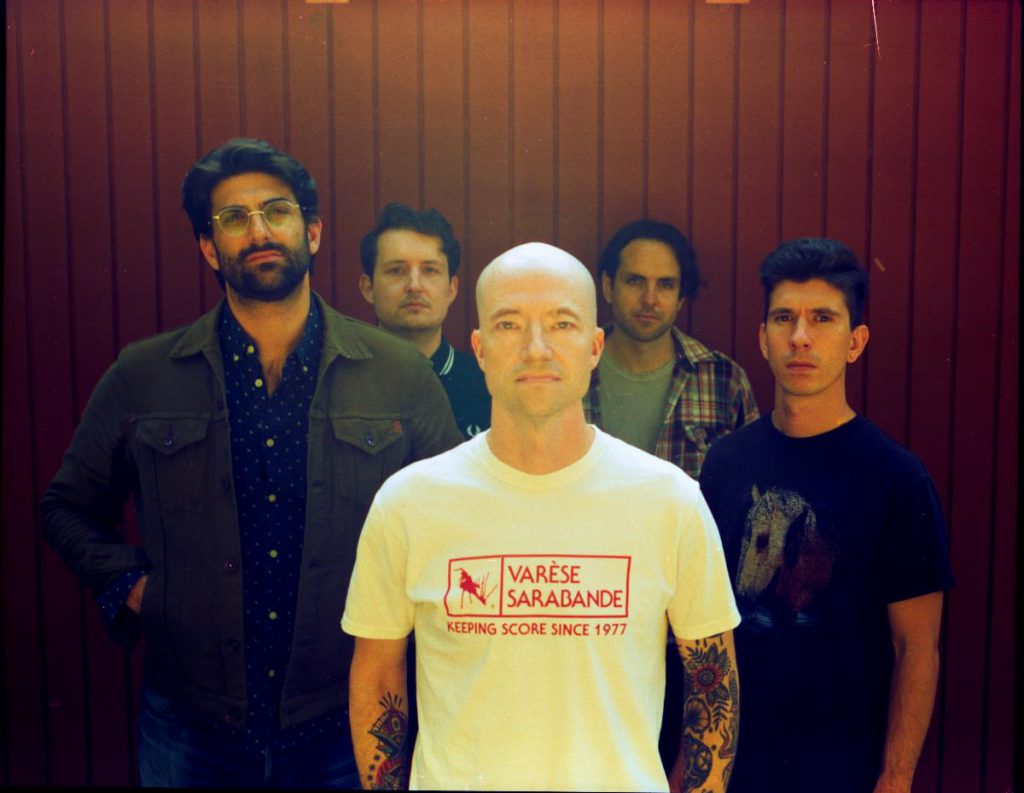
If “Is Survived By” was the album of your 30s, essentially a treatise on turning 30, is “Spiral in a Straight Line” the album of your 40s? I find it less focused with milestones and reflections, more at peace with the passage of time. Instead, it seems like a guide to accepting the inevitability of things and maintaining a steady direction amidst the chaos of life. What do you think?
That feels accurate. There’s an important acceptance in understanding the world doesn’t owe you anything and you just have to navigate its trials and tribulations. When you’re 30 there’s still some optimism left. At 40 it’s just acceptance of whatever that day is going to give or take away.
How would you describe the evolution of your sound from the beginning until today?
Early days were primitive songs under two minutes. Very few lyrics. Hyper specific and often clunky. Nowadays we average three minutes and we learned to write choruses – more direct lyrics and hopefully less clunky.
“Spiral in a Straight Line” is your first work after joining Rise Records: how did this new relationship come about?
Our contract was up with Epitaph. We like to explore. Try new things. If you look at our release history we often do two then seek something new. Labels, producers, etc. Rise showed interest and their enthusiasm and knowledge of the band and understanding of our goals while having very artist friendly deals made us feel comfortable making the switch.
With your previous album “Lament,” you chose Ross Robinson as a producer, and you’ve done the same with the new album: what is it like working with him?
Very intense. Very demanding. Very rewarding. He pushes everyone to their limits and what you get is very raw performances. It’s not for everyone but if you’re willing to surrender to it, you’ll get results.
What do Touché Amoré and Hal Ashby have in common? What is your relationship with cinema?
Hal Ashby made films about tragically misunderstood characters and I find kinship with that. Most of us in this world are tragically misunderstood. I’m a huge cinephile, at this point in my life I connect to film more than most things.
Jeremy, in your lyrics there often seems to be a kind of inner struggle, almost a form of resistance to life’s troubles. How do you feel about sharing these deeply personal aspects of your life with the public?
I suppose there’s resistance. Or moreso it’s acknowledging the struggles so they know I’m aware of their existence. I don’t so much think about the impact of sharing because you never really know who’s listening anyway. Expression is expression.
How has your approach to music changed from the beginning until now? Are your influences and what you listen to the same, or have they changed over the years?
You like to hope that most everyone’s music taste expands over time. I love hardcore as much as the next hardcore kid but if that was all I listened to I probably would be less well adjusted. The bands appreciation for all kinds of music is what gives us our sound. if we all didn’t love Tom Petty or Death Cab I’m not sure I’d wanna know what we’d sound like today.
For several years now, we’ve seen a resurgence of the American hardcore scene, with many new bands emerging and often achieving great success (I’m thinking of Drain, Turnstile, Scowl, Drug Church, and so on). Forgive the term, but I see you as a sort of mentor, a real point of reference for anyone who wants to play a certain type of hardcore today. What do you think? What is your relationship with these new bands?
To be fair some of the bands mentioned have been around for over ten years but I understand the point you’re making. I don’t see us as mentors because I’m not sure we’re necessarily an influence to any of them. We’ve toured with all the bands mentioned except for Drain who we aren’t too close with but have respect for. I interviewed their singer Sammy for my podcast and he’s a kind dude. I think there’s a mutual inspiration that we all may give each other for simply still existing at a time when it’s harder and harder to make a living off music.
Let’s go back to your album: how did the collaborations with Lou Barlow and Julien Baker come about?
We’ve known Julien since the start of her solo work. This is her third time collaborating with us on an album. Lou Barlow was kind enough to respond to a cold email explaining the importance of his song Brand New Love and how much his voice would mean to the song.
What do you hope the audience takes away after listening to one of your albums or attending one of your concerts?
Something visceral. If it’s something they relate to hopefully some understanding that they’re not alone.
You’ve been through a lot within the hardcore community. Does it still make sense today to talk about community or even subcultures within music?
The idea of community is a nice idea but with people being chronically online and less kind to one another overall – it’s hard to think it’s not lost. But then you feel the collective love and positive energy from a show – being in person – and it can bring the concept of community back to life. Even for three hours.