Interviste
Intervista a The White Buffalo: un treno nella notte, una voce che racconta l’anima

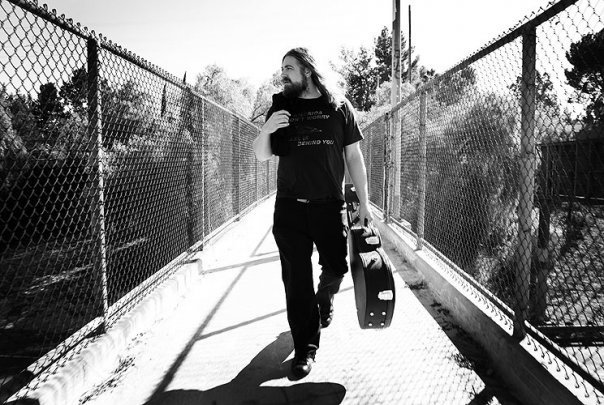
The White Buffalo non è solo un nome d’arte: è un animale raro, un cantastorie moderno che attraversa l’America e il mondo con una voce che graffia e consola allo stesso tempo. Dopo oltre vent’anni di carriera, colonne sonore entrate nella leggenda (da “Sons of Anarchy” a “This Is Us”), e dischi che mescolano folk, blues e anima, Jake Smith torna con “A Freight Train Through the Night”, il suo primo album dal vivo. Un viaggio crudo, autentico, viscerale.
Abbiamo parlato con lui alla vigilia delle date italiane del suo tour, per scavare dentro questo nuovo capitolo musicale e dentro quel treno che corre nella notte, senza mai perdere il suo carico di emozione.
Jake, “A Freight Train Through The Night” è un titolo evocativo, quasi cinematografico. Cosa rappresenta per te questo treno notturno? È un viaggio, una fuga, un ritorno?
Il titolo “A Freight Train Through the Night” è una frase tratta da “How The West Was Won”, e mi è stato suggerito da Christopher Hoffee, il chitarrista/bassista della band. Catturava la ferocia e l’energia. Evoca anche immagini di ampi paesaggi americani, del solitario West, e del movimento potente e incessante di un treno merci. Riflette sia la qualità cinematografica che quella grezza e istintiva dei nostri concerti dal vivo, rendendolo una rappresentazione perfetta del nostro stile. È stato più interessante attingere direttamente dai testi delle canzoni.
Hai detto che questo album abbraccia vent’anni della tua carriera. Com’è stato per te, come autore e come uomo, tornare indietro nel tempo attraverso queste canzoni?
Ripensare a vent’anni di scrittura di canzoni per questo album è stato sia travolgente che emozionante. È un’esperienza rara ascoltare la propria musica in modo così completo. Ho provato un profondo senso di orgoglio per aver scritto questi brani, e il fatto di riascoltarli ha fatto riaffiorare un mix di emozioni: orgoglio, riflessione e anche un po’ di stupore per il lavoro che ho creato. Allo stesso tempo, non è stato solo un tuffo nella nostalgia: ho sentito anche la responsabilità di continuare a mantenere gli standard elevati che mi sono imposto, soprattutto per quanto tengo alle parole e alle storie delle mie canzoni.
In questo disco hai scelto di ridare nuova vita sia a brani amati dai fan che a tracce meno conosciute. Cosa ha guidato la selezione? Il cuore o l’istinto?
C’erano scelte ovvie, brani talmente amati dai fan che, se non li suoniamo dal vivo, c’è delusione, quindi sapevo che dovevano esserci. Ma allo stesso tempo c’erano pezzi più nascosti che sentivo avremmo potuto davvero far rivivere in un nuovo modo, soprattutto in un contesto live. Il processo è stato un mix di cuore e istinto: alcune canzoni “sentivano” giuste, altre le ho scelte perché sapevo quanto avrebbero significato per i fan. C’è stata anche un po’ di selezione forzata, viste le limitazioni del vinile, ma alla fine si è trattato di scegliere i brani che suonavano meglio e che sapevo la gente avrebbe voluto ascoltare.
La tua versione di House of the Rising Sun sembra al tempo stesso un atto d’amore e di ribellione. Qual è il significato più profondo dietro questa reinterpretazione? Cosa volevi esprimere?
Volevo avere una versione definitiva di House of the Rising Sun che fosse tutta mia, nostra e che potesse davvero essere The White Buffalo. La versione di “Sons of Anarchy”, con quei testi un po’ stravolti, oggi mi suonava un po’ forzata, soprattutto ora che non è più legata alla serie. Quindi volevo creare qualcosa di autenticamente nostro. L’ho arrangiata in modo diverso, e abbiamo finito per spingerla in una nuova direzione, cambiando perfino tempo e ritmo. È un po’ un ibrido tra quella di Sons of Anarchy e altre versioni che si possono conoscere, ma con un arrangiamento completamente nuovo. Volevo esprimere una versione che sentissi autentica, qualcosa che potessi sempre riproporre dal vivo dicendo: “Ecco cosa potete aspettarvi se suoniamo questa canzone.
Hai detto che quello che fai dal vivo è “puro e grezzo”, lontano dalla perfezione da studio. In un’epoca dominata dalla perfezione digitale e dal ritocco, quanto conta per te questa verità musicale?
È una delle mie verità più grandi. Quello che facciamo dal vivo è puro e grezzo, e lo considero un valore fondamentale. Non saremo mai una band che usa basi o click track, e oggi, anche nei concerti, molte band non suonano più del tutto dal vivo. Per noi è sempre qualcosa di nuovo e naturale e credo che gli errori e le imperfezioni siano ciò che rende tutto più bello. È una parte importante della nostra integrità come band e della mia come artista. Se non viene direttamente da noi, non succederà. Penso che questo renda l’esperienza più viscerale e autentica e per me è estremamente importante.
Il Belly Up di San Diego sembra quasi un personaggio in questa storia musicale. Qual è il tuo legame con questo locale? Perché lo hai scelto per registrare un album dal vivo?
Suoniamo al Belly Up di San Diego da probabilmente vent’anni, e anche prima i ragazzi della band ci avevano suonato con altri gruppi. È un po’ come casa per noi: conosciamo tutto lo staff, conosciamo la sala ed è un posto dove siamo completamente a nostro agio. Registrare un live lì è stata quasi una scelta ovvia. Abbiamo avuto due serate per catturare le migliori performance, e sembrava semplicemente il posto giusto. Abbiamo un legame profondo con quel locale, e anche se possiamo suonare altrove, il Belly Up resterà sempre uno di quei posti in cui torneremo.
L’energia del pubblico, quel circolo continuo tra palco e platea, è tangibile nel disco. Dimmi: è il pubblico che cambia il tuo modo di cantare o sei tu a portarli altrove?
È davvero qualcosa che cambia di sera in sera, e l’energia tra palco e pubblico è totalmente intrecciata. Se dal pubblico non arriva nulla, non tirerai fuori da noi una performance speciale anche se daremo comunque il massimo. Ma quando c’è entusiasmo ed energia, noi lo sentiamo e questo ci solleva. È il senso stesso dello scambio nel live: a volte possiamo entrare stanchi o scarichi, ma il pubblico può ribaltare la serata. Il palco è un luogo magico, capace di cambiare emozioni e perfino superare limiti fisici, quindi sì, è un continuo dare e ricevere tra noi e il pubblico.
Mike Butler, con la sua mano esperta, ha catturato ogni sfumatura della performance live. Che tipo di legame avete avuto? E quanto conta il ruolo di un produttore in una registrazione dal vivo?
Non conoscevo Mike Butler prima, ma appena abbiamo iniziato a lavorare insieme abbiamo subito legato: avevamo tantissime cose in comune, dall’essere padri a un simile senso dell’umorismo. È diventato uno dei miei migliori amici, e mi sento fortunato ad averlo incontrato. Mike è stato coinvolto in ogni aspetto dell’album, dal mixaggio dei livelli alla registrazione del pubblico, fino alla scelta della scaletta. In una registrazione live, il ruolo del produttore non è quello di “produrre” le performance, quello che succede, succede, ma di mixare e far sì che tutto suoni giusto. Onestamente, il mio rapporto con Mike è una delle cose più importanti nate da questo progetto, e sono grato di averlo trovato e di poter portare avanti questa amicizia.
In un’epoca di streaming e contenuti usa e getta, hai scelto un doppio vinile in edizione limitata. È un atto romantico di resistenza?
Sì, è un po’ un atto romantico di resistenza. L’ho già fatto in passato: rendere il vinile esclusivo per un periodo, prima di portarlo sulle piattaforme digitali. So che molti non hanno nemmeno un giradischi o non sono amanti del vinile, ma c’è qualcosa in quell’approccio vecchia scuola che adoro. A volte il mio modo di fare “all’antica” ostacola un po’ il successo moderno, ma sinceramente, va bene così.
Nel 2025 tornerai in Italia con nuove date. Qual è il tuo rapporto con i fan italiani? C’è qualcosa che li rende unici? Cosa provi quando suoni qui?
L’Italia è un posto davvero speciale per me. Il rapporto che ho con i promoter lì è come di famiglia: viaggiamo insieme, stiamo negli stessi hotel, mangiamo insieme e viviamo davvero la piena esperienza italiana. Quanto al pubblico, lo adoro. Sono sempre fedele alla mia gente, e con i fan italiani e tutti quelli coinvolti si è creato un legame che sembra di una vita. Il pubblico in Italia è magico: entusiasta, energico, canta, applaude e sa anche quando stare in silenzio. Onestamente, è tra i migliori del mondo e suonare qui è sempre un’esperienza incredibile.
[Di seguito trovate le date italiane del tour]
Giovedì 4 settembre
Parco Urbanoa Capoterra, CagliariSabato 6 settembre
Fortezza Vecchia, LivornoDomenica 7 settembre
Rocca Malatestiana, CesenaLunedì 8 settembre
Circolo Magnolia, Segrate

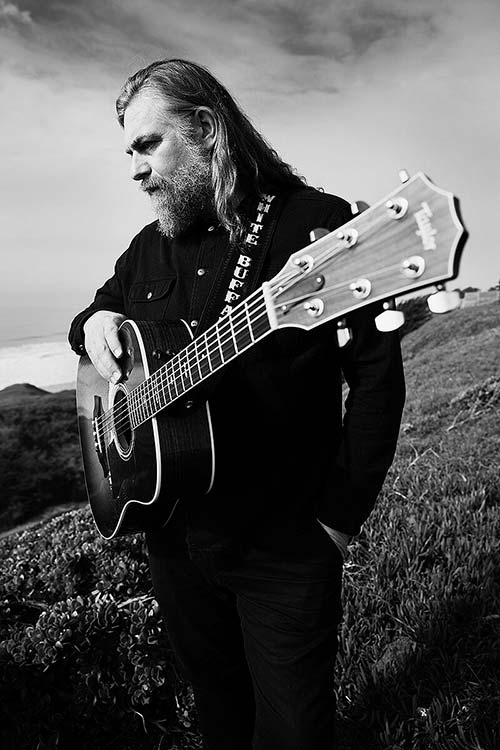
Jake, “A Freight Train Through The Night” is an evocative title, almost cinematic. What does this night train represent to you? Is it a journey, an escape, a return?
The title “A Freight Train Through the Night” is a lyric from “How The West Was Won”, and was suggested by Christopher Hoffee, the band’s guitarist/bassist. It captured the ferocity and energy. It also evokes imagery of open American landscapes, the lonesome West, and the powerful, relentless movement of a freight train and reflects both the cinematic and raw qualities of our live shows, making it a fitting representation of our performance style. It was cooler to draw from just within the lyrics.
You said this album embraces twenty years of your career. What was it like for you, as a songwriter and as a man, to go back in time through these songs?
Reflecting on twenty years of songwriting for this album was both overwhelming and emotional. It was a rare experience to listen back to my own music in such a comprehensive way. I felt a deep sense of pride in having written these songs and revisiting them brought up a mix of emotions—pride, reflection, and a bit of awe at the body of work I’ve created. At the same time, it was not just about nostalgia; it also came with a sense of responsibility to continue living up to the high standard I’ve set for myself, especially given how much I care about the words and stories in my songs.
In this record, you chose to give back new life into fan favorites as well as lesser-knowntracks. What guided your selection? Was it heart or instinct?
There were some obvious choices—fan favorites that are so popular that if we don’t play them live, it’s a disappointment, so I knew those had to be on the record. But at the same time, there were some deeper cuts that I felt we could really bring to life in a new way, especially in a live setting. The process was a mix of heart and instinct: some songs just felt right, and others were chosen because I knew they’d mean a lot to the fans. There was also a bit of editing involved, especially with the limitations of putting the album out on vinyl, but in the end, it was about picking the songs that felt the best and that I knew people would want to hear.
Your rendition of House of the Rising Sun feels like both an act of love and rebellion. What deeper meaning lies behind this reinterpretation? What did you want to express with this new version?
I really wanted to have a definitive version of House of the Rising Sun that was all mine and ours—a version that could truly be The White Buffalo. The “Sons of Anarchy” version, with its twisted lyrics, always felt a little corny to me when singing it now, especially since it’s no longer tied to the show. So, I wanted to create something uniquely ours. I arranged it differently, and we ended up forcing it into a new place, even changing the time signature and tempo. It’s kind of a blend of the “Sons of Anarchy” version and other versions you might have heard, but with a completely different arrangement. What I wanted to express was a version that felt authentic to me—something I could go back to and say, “This is what people can expect if we play that song live.”
You’ve said that what you do live is “pure and raw,” far from studio perfection. In an age ruled by digital perfection and editing, how important is that musical truth to you?
It’s one of my highest truths. What we do live is pure and raw, and that’s something I value deeply. We’ll never be a band that uses backing tracks or click tracks—even in a live setting, so many bands aren’t entirely live anymore. For us, it always feels new and natural, and I think the mistakes and imperfections are what make things beautiful. That’s a big part of our integrity as a band and for me as a performer. If it’s not coming directly out of us, it’s not going to happen. I think it makes the experience more visceral and open, and that’s incredibly important to me.
The Belly Up in San Diego almost feels like a character in this musical story. What is your bond with that venue? What makes it so special that you chose to record a live album there?
We’ve been playing at The Belly Up in San Diego for probably 20 years, and even before that, the guys in the band played there with other groups. It just feels like home to us—we know the whole staff, we know the room, and it’s a place where we’re completely comfortable. Recording a live album there was almost a no-brainer. We were able to get two nights to try to capture the best performances, and it just felt like the right place to do it. We’re really bonded to that venue, and even though we could play other places, The Belly Up will almost always be a place we go back to.
The energy of the audience, that circular push and pull between stage and crowd, is tangible in the record. Tell me: does the crowd change the way you sing, or are you the one taking them somewhere else?
It’s really a night-by-night thing, and the energy between the stage and the crowd is totally intertwined. If I’m not getting anything back from the crowd, you’re not going to pull out a special performance from us—though we’ll still give it our all. But when there’s excitement and energy coming from the audience, we feel that, and it lifts us up. That’s the whole circular thing about live performance: sometimes we might come out tired or off, but the crowd can turn that around for us. The stage is a magical place that can really change both emotions and even physical limitations, so it’s definitely a push and pull between us and the audience.
Mike Butler, with his expert touch, captured every nuance of the live performance. What kind of connection did you share with him? And how important is the role of a producer in a live recording?
I didn’t know Mike Butler before this, but as soon as we started working together, I immediately connected with him—we had so much in common, from being dads to sharing a similar sense of humor. He’s become one of my best friends, and I feel really blessed to have met him. Mike was involved in every single aspect of the live album, from mixing the levels to capturing the crowd and shaping the order of the songs. In a live recording, the producer’s role isn’t about producing performances, since what happens just happens, but it’s about mixing and making sure everything feels right. Honestly, my relationship with Mike is one of the most important things that came out of the whole album, and I’m grateful to have found him and to continue that friendship.
In an age of streaming and disposable content, you chose a limited-edition double vinyl. Is that a romantic act of resistance?
Yeah, it’s kind of a romantic act of resistance. I’ve done that before—making the vinyl exclusive for a while before bringing it to streaming. I know a lot of people don’t even have record players or aren’t big vinyl people, but there’s something about that old-school approach that I love. Sometimes my old-school ways get in the way of modern success, but honestly, I’m okay with that.
In 2025, you’ll return to Italy with new tour dates. What is your relationship with your Italian fans? Is there something that sets them apart? What do you feel when you perform here?
Italy is a really special place for me. The relationship I have with the promoters there is like family—we travel together, stay in the same hotels, eat together, and really get the full Italian experience. As for the crowds, I absolutely love them. I’m always loyal to my people, and with the Italian fans and everyone involved, it feels like a lifetime connection. The crowds in Italy are magical—so enthusiastic and energetic, singing along, clapping, and also knowing when to be quiet. Honestly, they’re some of the best crowds in the world, and performing there is always an incredible experience.