
Interviste
Rinascita ed evoluzione, un fascio di luce nel caos: intervista ai BIG|BRAVE
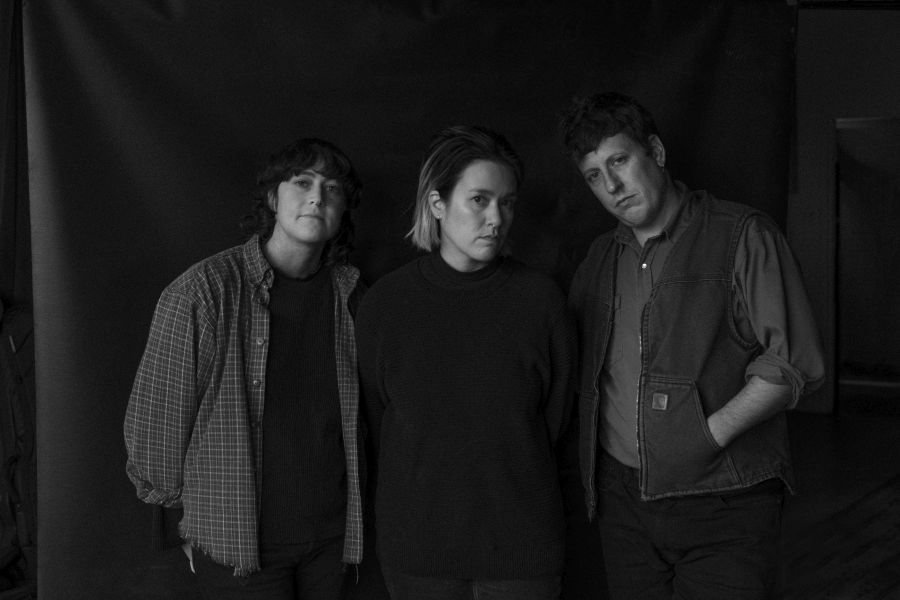
Tornati lo scorso aprile con il nuovo album “A Chaos of Flowers” (qui la nostra recensione), i Big|Brave si sono confermati come una delle realtà più interessanti nello scenario del metal e derivati. Nel suo settimo album in studio, il trio di Montreal ha mostrato un approccio differente rispetto al passato, cercando un punto di equilibrio tra rumore ed eleganza, una mediazione tra caos e raffinatezza. Il risultato è un disco ammaliante, un viaggio tra i sedimenti della mente umana sotto la protezione di madre natura.
Abbiamo scambiato quattro chiacchiere con il chitarrista Matthieu Ball.
Avete appena concluso il vostro tour europeo e siete partiti proprio dal Vecchio Continente: perché questa scelta? c’è una maggiore risposta in Europa rispetto all’America? Purtroppo non siete passati in Italia, c’è un motivo particolare per questa scelta?
Di solito iniziamo l’anno con un tour europeo in primavera e poi facciamo il Nord America in estate. È solo così che si allineano le cose. Per quanto riguarda l’assenza di date in Italia, è impossibile suonare in tutti i paesi in ogni tour che facciamo. Fare tour è molto faticoso e un tour di 3 mesi per suonare in ogni città possibile sarebbe poco salutare!
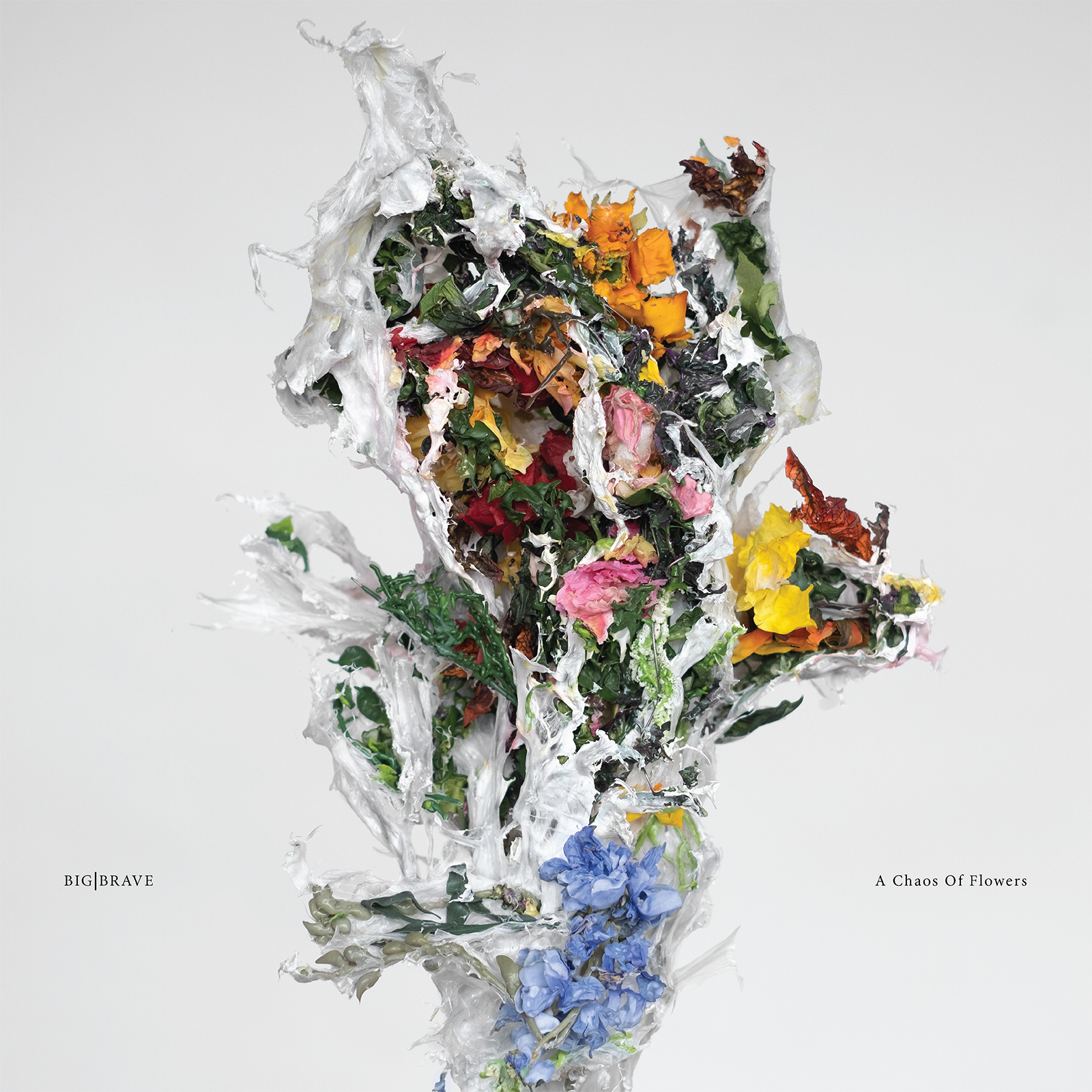
Parliamo della vostra ultima uscita “A Chaos Of Flowers”. La prima cosa che colpisce è la copertina dell’album. In “Nature Morte”, c’era qualcosa che poteva ricordare dei fiori contro uno sfondo nero. Sembrava che una forza esterna bloccasse la percezione della realtà, distorcendola in modo oscuro. In questo caso, invece, abbiamo una chiara rappresentazione di un mazzo di fiori in fiore. Ci sono molti più colori e il bianco domina. Guardando indietro alla copertina di “A Gaze Among Them”, dove c’è un’immagine simile ma sfocata, dà l’idea che ci fosse una consapevolezza di questa evoluzione. C’è un senso di rinascita, realizzazione e speranza. Questo in qualche modo si relaziona al contenuto sonoro? Come vengono create queste opere? Cosa significano per voi?
L’artwork per “A Chaos Of Flowers” è una modifica della scultura utilizzata per la copertina dell’album “Nature Morte“. Come con le nostre idee musicali, una cosa porta sempre a un’altra. Anche se sono dischi diversi, sono collegati nel modo in cui le idee tra le registrazioni non smettono mai di fermentare e, che ci piaccia o no, è tutto connesso. Avendo utilizzato la stessa scultura, ma modificandola e questa volta fotografandola su uno sfondo bianco, volevamo enfatizzare questo. La scelta di una copertina più chiara e luminosa è stata sicuramente per evidenziare i temi sonori del disco.
Concentrandoci sull’aspetto musicale, mi sembra che in questo album ci sia, perdona il termine, più definizione sonora. Un caos controllato. Il vostro approccio mi ha ricordato molto i recenti album dei Low. Come descrivereste l’evoluzione del vostro suono in questo nuovo lavoro rispetto ai vostri album precedenti?
Volevamo introdurre più colore e luce in questo lavoro. Per una delle prime volte, abbiamo iniziato a sperimentare con cambi di accordi e quindi più melodia e armonia rispetto alla maggior parte dei nostri dischi precedenti. Testualmente, ciò che siamo stati in grado di raggiungere in questo disco è semplicemente frutto del continuare a sperimentare con i nostri strumenti.
La durata delle tracce è un altro elemento che spicca qui, in contrasto con la vostra abitudine precedente di creare tracce di dieci minuti o più. È stata una scelta intenzionale? Ci sono tracce che in qualche modo sembrano più rappresentative dell’evoluzione artistica che state perseguendo?
Poiché spesso finiamo con dischi che hanno meno canzoni più lunghe, per qualche motivo, con questo siamo stati semplicemente in grado di esprimere ciò che stavamo cercando in meno tempo. Le canzoni sono in un certo senso semplici e quindi non sentivamo di aver bisogno di tanta lunghezza per esprimere.
Più leggo il titolo dell’album, più mi sembra appropriato. Qual è il suo vero significato?
È molto aperto all’interpretazione quindi non sarebbe giusto descrivere cosa significhi per me. Significa qualcosa di diverso per tutti i membri della band e crediamo che lasciare aperta l’interpretazione sia l’approccio appropriato.
Ora mi piacerebbe concentrarmi sugli aspetti tecnici dell’album. Qual è stato il processo di produzione per l’album? Come sono andate le cose in studio?
Per questo disco non è che fossimo meno preparati rispetto ad altre volte entrando in studio, ma abbiamo deliberatamente fatto in modo di non finalizzare completamente ogni canzone prima di iniziare il processo di registrazione. Questo ha significato che abbiamo potuto esplorare e sperimentare più che mai con diverse tecniche di studio e con il nostro modo di suonare.
Ho letto che avete avuto alcuni ospiti durante le registrazioni (Marisa Anderson, Tashi Dorji, Patrick Shiroishi). Come sono nate queste collaborazioni e qual è stato il loro ruolo?
Abbiamo semplicemente contattato musicisti che amiamo e ammiriamo. Abbiamo scritto a un gruppo di persone e dato che tutti hanno programmi molto pieni, Tashi, Marisa e Patrick sono stati in grado di trovare tempo per registrare (da remoto) per questo disco. È una benedizione avere tutti e 3 a contribuire a questo lavoro.
I testi sono molto emozionanti. Sembra che provengano da esperienze personali. Ho ragione? Se doveste riassumere l’intero significato dell’album in una frase, quale frase usereste? Inoltre, perché avete scelto il francese per Chanson pour mon Ombre?
Tutte le canzoni (tranne 2) sono tratte da poesie di poeti che Robin ammira profondamente. Ha trovato che i messaggi in queste poesie, per quanto vecchi siano, sembravano altrettanto rilevanti oggi come lo erano quando furono scritti. Chanson pour mon Ombre è in francese perché è una poesia francese.
Dovrei fare la classica domanda finale tipo, “Ci sarà un altro album dopo questo?” Ma non voglio alimentare il mercato musicale vorace di oggi dove ci si aspetta che gli artisti sfornino album ogni mese. Affrontiamola con la giusta calma e godiamoci questa annientazione sonora in tutta la sua gloria. Concludo qui e vi ringrazio per il tempo dedicato a questa intervista.
Ci sarà sempre un altro album! Abbiamo fatto 8 album in studio in 10 anni e non vediamo segni di rallentamento. Questo non deriva affatto da alcuna pressione di continuare a produrre un prodotto ma semplicemente dall’amore che abbiamo per scrivere, registrare e suonare nuova musica!
You have just finished your European tour and started from the Old Continent: why this choice? Is there a greater response in Europe compared to America? Unfortunately, you didn’t come to Italy; is there a particular reason for this choice?
We usually start the year with a European tour in the spring and then do North America in the summer. It’s just the way it lines up. As for no Italy dates, it’s impossible to play all the countries on every tour we ever go on. Touring is very tiring and a 3 month tour just to play every possible city would be unhealthy!
Let’s talk about your latest release “A Chaos Of Flowers.” The first thing that stands out is the album cover. In “Nature Morte,” there was something that could be reminiscent of flowers against a black background. It seemed as if an external force was blocking the perception of reality, distorting it in a dark way. In this case, however, we have a clear representation of a bunch of blooming flowers. There are many more colors, and white dominates. Looking back at the cover of “A Gaze Among Them,” where there is a similar but blurred image, it gives the idea that there was an awareness of this evolution. There is a sense of rebirth, fulfillment, and hope. Does this somehow relate to its sound content? How are these paintings created? What do they mean to you?
The artwork for a chaos of flowers was a modification of the sculpture used for the nature morte album cover. As with our musical ideas, one thing always leads to another. Although different records, they are connected in the way that ideas between recordings never stop brewing and whether we like it or not, it is all connected. Having used the same sculpture, but modifying it and this time photographing it against a white background, we wanted to emphasise this. The choice of a lighter and brighter cover definitely was to highlight the sonic themes of the record.
Focusing on the musical aspect, it seems to me that in this album there is, pardon the term, more sonic definition. A controlled chaos. Your approach reminded me a lot of the recent albums by Low. How would you describe the evolution of your sound in this new work compared to your previous albums?
We wanted to introduce more colour and light into this one. For one of the first times ever, we started to experiment with chord changes and therefore more melody and harmony than on most of our past records. Texturally, what we were able to achieve on this record is simply by pure force of continuing to experiment with our instruments.
The duration of the tracks is another element that stands out here, contrasting with your previous habit of creating tracks of ten minutes or more. Was this an intentional choice? Are there any tracks that in some way feel more representative of the artistic evolution you are pursuing?
As we often end up with records that have fewer longer songs, for some reason, with this one, we were simply able to convey what we were trying to in less time. The songs are sort of simple and therefore we didn’t feel like we needed as much length to convey.
The more I read the title of the album, the more fitting it seems. What is its true meaning?
It is very much open to interpretation so It would not feel right to describe what it means to me. It means something different to all the members of the band and believe leaving it open is the appropriate approach.
Now I’d like to focus on the technical aspects of the album. What was the production process like for the album? How did things go in the studio?
For this record, not that we were less prepared than other times going into the studio, but we deliberately made sure to not completely finalize each song before we started the recording process. This meant that we could more than ever explore and experiment with different studio techniques and with our playing as well.
I’ve read that you had some guests during the recordings (Marisa Anderson, Tashi Dorji, Patrick Shiroishi). How did these collaborations come about and what was their role?
We simply reached out to musicians we love and admire. We wrote to a handful of people and given everyone’s very busy schedule, Tashi, Marisa and Patrick were able to find time to record (remotely) for this record. It’s a blessing to have all 3 of them contribute to this body of work.
The lyrics are very emotional. It feels like they come from personal experiences. Am I right? If you had to encapsulate the entire meaning of the album in one sentence, what sentence would you use? Also, why did you choose French for “Chanson Pour Mon Ombre”?
All the songs (except for 2) are from poems from poets that Robin deeply admires. She found that the messages in these poems, however old they are, felt just as relevant today as they did when initially written. Chanson pour mon Ombre is in French because it is a French poem.
I should ask the classic final question like, “Will there be another album after this one?” But I don’t want to feed into today’s voracious music market where artists are expected to churn out albums every month. Let’s approach it with the right calmness and enjoy this sonic annihilation in all its glory. I’ll wrap up here and thank you for the time dedicated to this interview.
There will always be another album! We’ve made 8 full length albums in 10 years and we do not see ourselves slowing down. This does not at all come from any pressure to keep pumping out a product but simply from the love we have for writing, recording, and performing new music!
 SEPULTURA: ad aprile il nuovo EP “The Cloud of Unknowing”
 GNARLS BARKLEY: a marzo il nuovo album “Atlanta”
 THE CLAYPOOL LENNON DELIRIUM: a maggio il nuovo album “The Great Parrot-Ox and the Golden Egg of Empathy”
 SQUAREPUSHER: ad aprile il nuovo album “Kammerkonzert”
 AMERICAN FOOTBALL: il nuovo singolo “Bad Moons”
 SOCIAL DISTORTION: a maggio il nuovo album “Born to Kill”
 IRMIN SCHMIDT (Can): ad aprile il nuovo album “Requiem”
 ANGEL DU$T: due date in Italia a maggio
 THE CASUALTIES: a marzo il nuovo album “Detonate”
 WILCO: due date in Italia in estate