
Interviste
Il mondo va a pezzi, ma noi siamo ancora qui: intervista ai mclusky
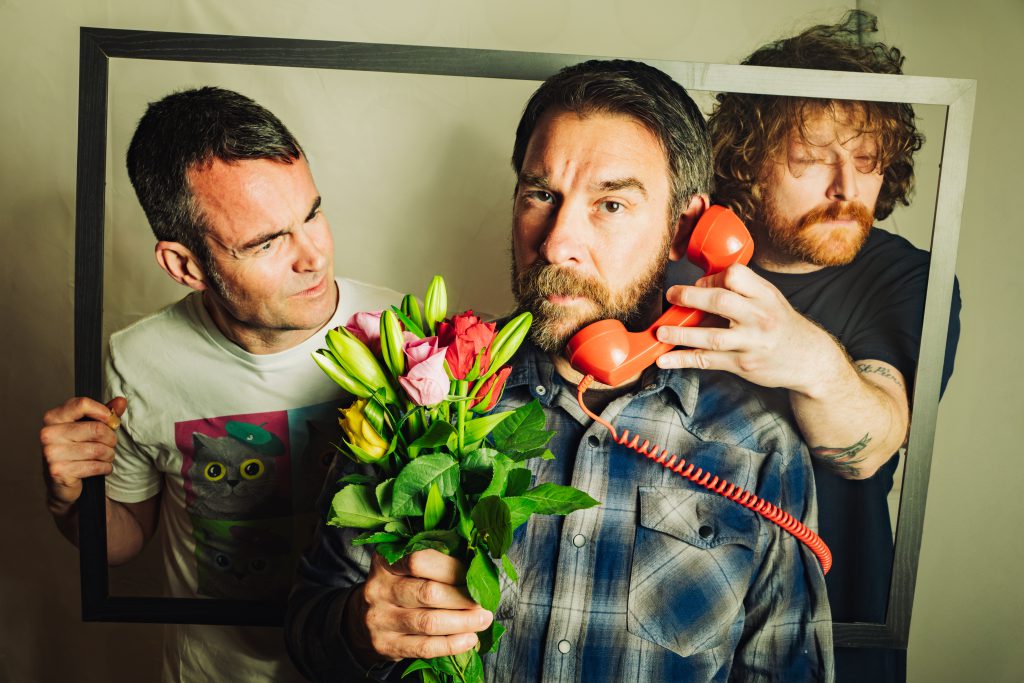
Quello che mancava al mondo, quantomeno della musica che un tempo chiamavamo alternativa, erano i mclusky. I loro suoni abrasivi, l’ironia, le cartelle sui denti. Eppure erano scomparsi, dopo tre dischi giganteschi, salvo tornare ora, quando tutto va in mille pezzi (e la musica qua non c’entra nulla), nel momento del bisogno e con un nuovo album, micidiale come non mai, intitolato “the world is still here so we are” (qui la nostra recensione), uscito per l’immensa Ipecac Recordings.
Ne abbiamo parlato con Andrew Falkous.
Quando hai capito che i mclusky erano pronti a tornare con un nuovo album? Cosa ti ha fatto pensare “Ok, è il momento giusto”?
Lungi da me dal voler sembrare superficiale, ma è sempre il momento giusto per fare musica, e un nuovo album è la naturale conclusione di questo processo. Sicuramente la band in questa forma è nata come una rievocazione ma è stato naturale, a un certo punto, scrivere del nuovo materiale. Oltretutto le nostre canzoni sono facili da suonare, a momenti non hanno bisogno di essere provate.
Cambi di line-up a parte, come credi siano cambiati i mclusky dalla loro nascita a oggi?
Noi – Jack [Egglestone, ndr] e io – siamo tanto diversi quanto uguali. Il tempo ti fa questo effetto, essendo lineare e tutto il resto. Forse abbiamo più prospettiva e/o concentrazione. In passato era tutto un po’ più disordinato. Non è né un punto di forza né di debolezza, è semplicemente così.
Partiamo dal titolo: “the world is still here so we are”. Il mondo è ancora qui, ma com’è questo mondo che i mclusky ritrovano dopo tutto il tempo passato dal vostro album di debutto a oggi? Avete sentito la necessità di essere ancora qui assieme a questo mondo?
La necessità? Assolutamente sì. Il titolo dell’album si presta a diverse chiavi di lettura, a seconda dal tono con cui lo leggi. Può suonare provocatorio, celebrativo, rassegnato. Non sono del tutto certo quale di questi sia quello giusto, cambia in base alla giornata. È di certo fattuale. Le cose sono cambiate, certo, ma sono, al contempo, rimaste uguali. Il capitalismo fa ancora più schifo, ha gettato la maschera, a maggior ragione nei Paesi Occidentali.
L’album esce per l’ormai leggendaria Ipecac Recordings, una delle mie etichette preferite di sempre. Com’è avvenuto il vostro incontro con loro?
Dopo aver pubblicato alcune canzoni nel 2023 per raccogliere denaro per i nostri visti USA, Marc di Ipecac si è messo in contatto con noi e abbiamo iniziato a parlarne. È stata una bella conversazione e un paio d’anni dopo siamo qui con un disco che amiamo. Ne sono molto felice.
Mi ha colpito, prima di tutto, la parte visuale legata ai videoclip che avete pubblicato. Nel 2025 non sono poi molti a utilizzare lo strumento dei video cosiddetti promozionali per integrarli ai dischi in modo artistico. Ogni video ha una sua storia: il mondo delle palestre, pieno di personaggi dallo sguardo folle, l’ambiente lavorativo, l’ufficio con tanto di idiosincrasie che portano alla violenza, il clown triste e la fine della sua vita e, alla fine, pure una death race. Come avete scelto ogni scenario e perché lo avete legato proprio a quelle canzoni? E perché lavorare con un solo regista, cioè Remy Lamont?
Remy ha scelto gli scenari basandosi sulle canzoni. È, fondamentalmente, una persona talentuosa e folle (non sono forse tutte matte, le persone dotate di talento?), e siamo stati molto fortunati che sia entrato nella nostra orbita. Non sono necessariamente a mio agio davanti a una telecamera, lo sono sul palco, ma lui mi ha convinto a esibirmi in mezzo a questi mondi folli che aveva creato. È incredibilmente pieno di risorse, a dir la verità, a un livello inquietante.
A Flood Magazine hai detto che, in cops and coppers, “prendi in giro Sting”. In che modo? Mi ha molto incuriosito questa cosa.
Perché il suo stile di canto, quel dialetto finto giamaicano che a volte adotta, mi fa davvero ridere. Io sono di Newcastle, proprio come lui. Inoltre Sting è, oggettivamente, una figura pubblica molto divertente, con tutti quei liuti, il sesso tantrico e tutto il resto.
Sono molte le liriche che mi sono rimaste fisse in testa, ad esempio “Tell me you’re Banksy without being Banksy” (molto kafkiano, in effetti), “Kiss for the job you want, not for its cousin”, “I’m just a normal man, I’m not a people person” (mi sono ritrovato a pensare moltissimo al concetto di normalità), ma, più di tutte, quelle di way of the exploding dickhead e i hate the polis. In molte di queste trapelano aspre critiche alla società odierna e in qualche caso anche all’industria musicale, cosa ti ha ispirato più di tutto?
La mia fonte di ispirazione è ridere prima e pensare dopo, sebbene in realtà le risate migliori esistano grazie alla profondità del pensiero subconscio che sostiene ogni battuta. Inoltre, a volte mi limito a fare l’opposto: probabilmente sono una persona socievole, non sto mai zitto, bramo il contatto umano. Il concetto di “normalità” nelle persone creative mi diverte molto. Quasi tutti i musicisti che conosco soffrono di ADHD o di una variante simile. La neurodivergenza è neurotipica nella maggior parte dei miei conoscenti.
Ho trovato i suoni di “the world is still here so we are” in qualche modo molto diversi da quanto avete fatto in precedenza, pur mantenendo una sorta di imprinting. I brani sono molto brutali, soprattutto quando rallentate. In che modo senti sia cambiato il vostro sound e in cosa?
Suoniamo canzoni live, o quantomeno il più possibile, e un adulto con reali competenze tecniche registra il suono. Non voglio sembrare arido, ma è la verità. Non c’è un vero principio che guida il suono, almeno non un principio parlato o scritto. Mi sto ripetendo, ma è semplicemente così (come i dinosauri e i viaggi spaziali).
Parlando di sound, è un anno che Steve Albini non c’è più, com’è stato lavorare con lui su “Mclusky Do Dallas”?
È stato come un sogno: facile, divertente, gratificante, uno dei momenti migliori della mia vita. È stata una perdita molto triste, ma ora lo è soprattutto per le persone a lui molto vicine, e la tristezza non fa che aumentare. Comunque, concentriamoci sui suoi dischi brillanti, celebriamoli. Alzo un calice alla sua memoria, anche se non beveva. Salute!
Grazie mille per il tempo dedicato a ImpattoSonoro. Ci vuoi lasciare con una qualcosa di tratto da una delle canzoni del disco?
Ha. Scegli tu! Non riesco a inserire testi miei in nessun contesto che non sia un disco o un concerto dal vivo. Sono saggio? No. Riesco a sembrare saggio con un volume alto e grandi aspettative alle spalle? Sì! Questa è la bellezza della musica rock (e anche di altre cose). Stammi bene e grazie anche a te per le domande.

When did you realize that mclusky were ready to come back with a new album? What made you think “Ok, it’s the right time”?
Without sounding glib, it’s always the right time to make music and an album is the natural end point of that process. Sure, the band in this form began as a kind of reenactment but it was natural after a certain point to write new material. Besides, our songs are so easy to play – they barely need to be rehearsed.
Line-up changes aside, how do you think mclusky have changed since their birth until today?
We – Jack and I – are the same but different people. Time does that to you, being linear and all. Perhaps we have more perspective and/or focus. In the past it was a little scatter-gun. Neither is a strength or a weakness, it simply is.
Let’s start with the title: “the world is still here so we are”. The world is still here, but what is this world that mclusky find after all the time that has passed since your debut album until today? Did you feel the need to still be here with this world?
The need? Absolutely. The album title can be read in different ways depending on the tone. It could be defiant, celebratory, resigned. I’m not sure which one of those it is, it changes on a daily basis. It’s factual, certainly. Things have changed, of course, yet they’re still the same. Capitalism has an even uglier, more explicit face now, especially in Western nations.
The album is released by the now legendary Ipecac Recordings, one of my favorite labels ever. How did you meet them?
After we released some songs in 2023 to raise money for our US visas Marc from the label got in touch and we started a conversation. It was a good conversation and here we are a couple of years later with an actual record that we love. I’m very happy about that.
First of all, I was struck by the visual part linked to the video clips you published. In 2025, not many people use the tool of so-called promotional videos to integrate them into the albums in an artistic way. Each video has its own story: the world of gyms, full of crazy-looking characters, the work environment, the office with its idiosyncrasies that lead to violence, the sad clown and the end of his life and, in the end, even a death race. How did you choose each scenario and why did you link it to those songs? And why work with just one director, Remy Lamont?
Remy chose the scenarios based on the songs. He’s basically a talented, crazy person (aren’t all talented people crazy?) and we’re very lucky that he’s come into our orbit. I’m not necessarily the most comfortable in front of a camera – I am on stage- but he persuaded me into performing in the middle of these daft worlds he’d put together. He’s incredibly resourceful – to a spooky degree, frankly.
You said to Flood Magazine that, in cops and coppers, you’re “taking the piss out of Sting”. In what way? I was very intrigued by this.
Because his singing style, that occasionally faux-Jamaican patois he adopts at times, really makes me laugh. I’m from Newcastle, the same place as him. Also, Sting is objectively a funny public figure, what with the lutes and the tantric sex and all that stuff.
There are many lyrics that have remained stuck in my head, for example “Tell me you’re Banksy without being Banksy” (very Kafkaesque, in fact), “Kiss for the job you want, not for its cousin”, “I’m just a normal man, I’m not a people person” (I found myself thinking a lot about the concept of normality), but, most of all, those of way of the exploding dickhead and i hate the polis. In many of these, harsh criticism of today’s society and in some cases even of the music industry, what inspired you the most?
What inspires me is laughing first and thinking later, although really the best laughs exist because of the depth of subconscious thought which props up every joke. Also, sometimes I just do opposites – I am a people person, probably, I never shut up, I crave human contact. The concept of ‘normal’ in creative people is very funny to me. Nearly every musician I know has ADHD or a close variant. Neurodivergence is neurotypical in most of my acquaintances.
I found the sounds of “the world is still here so we are” somehow very different from what you have done previously, while maintaining a sort of imprinting. The songs are very brutal, especially when you slow down. In what way do you feel your sound has changed and in what way?
We play songs live – or as close to it as is feasible – and an adult with actual technical skills records the sound. I don’t mean to sound dry there, but it’s true. There is no real principle which drives the sound, no spoken or written principle at least. I am repeating myself but it is simply is (like dinosaurs and space travel)
Speaking of sound, it’s been a year since Steve Albini left this world, how was it working with him on “Mclusky Do Dallas”?
Like a dream. Easy, fun, rewarding – one of the best periods of my life. It’s a very sad loss but now mostly for the people very close to him, and it only gets sadder. Still, let’s focus on the brilliant records, let’s celebrate them. I raise a glass to him, even though he didn’t drink. Salut!
Thank you very much for the time dedicated to ImpattoSonoro. Do you want to leave us with some quotes taken from one of the songs on the album?
Ha. Pick your own! I can’t drop my own lyrics in any context but a record or live show. Am I wise? No. Can I appear wise with great volume and expectation behind me? Yes! This is the beauty of rock music (and other things too). Take care and thank you too for your questions.
 SEPULTURA: ad aprile il nuovo EP “The Cloud of Unknowing”
 GNARLS BARKLEY: a marzo il nuovo album “Atlanta”
 THE CLAYPOOL LENNON DELIRIUM: a maggio il nuovo album “The Great Parrot-Ox and the Golden Egg of Empathy”
 SQUAREPUSHER: ad aprile il nuovo album “Kammerkonzert”
 AMERICAN FOOTBALL: il nuovo singolo “Bad Moons”
 SOCIAL DISTORTION: a maggio il nuovo album “Born to Kill”
 IRMIN SCHMIDT (Can): ad aprile il nuovo album “Requiem”
 ANGEL DU$T: due date in Italia a maggio
 THE CASUALTIES: a marzo il nuovo album “Detonate”
 WILCO: due date in Italia in estate