
Interviste
Il rito di Dioniso e la rinascita nella luce: intervista agli Årabrot
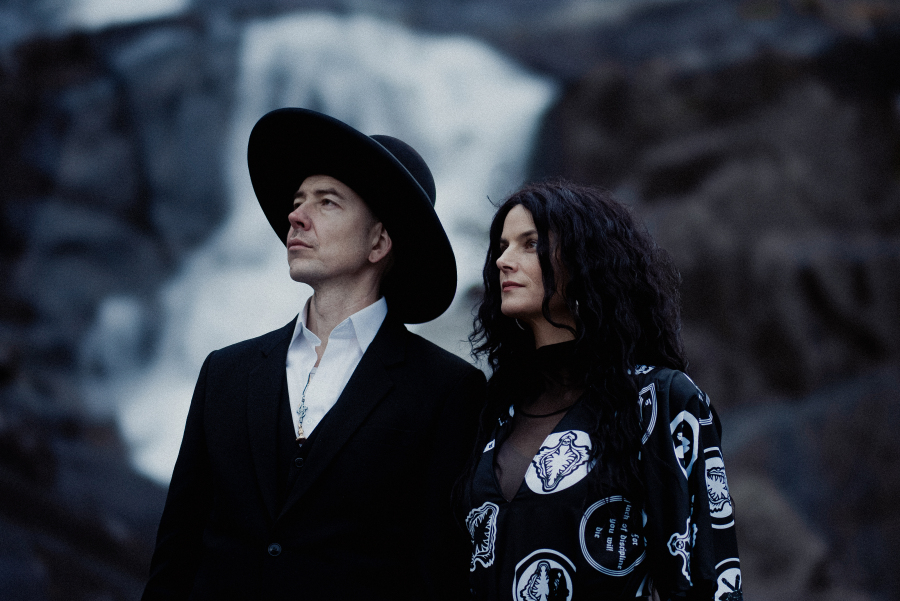
Con il loro ultimo lavoro, “Rite of Dionysus“, uscito a fine agosto per Dalapop (qui la nostra recensione), gli Årabrot confermano la loro capacità di mutare pelle a ogni nuova uscita, spingendo ancora più in là i confini del proprio linguaggio sonoro. Abbiamo incontrato Kjetil Nernes, frontman della formazione norvegese, per una conversazione intensa che attraversa l’ultimo album, le origini del progetto e alcuni momenti chiave del loro percorso artistico.
Ciao Kjetil, grazie davvero per la tua disponibilità. Inizierei chiedendoti come è nata la band, e cosa significa il vostro nome. Sentiti libero di condividere qualsiasi storia strana riguardo ai vostri primi passi come artisti.
La band è nata molti anni fa a Haugesund, in Norvegia. Ci siamo chiamati come la discarica, il deposito di rifiuti locale. Il nome è in norreno antico e credo che nessuno sappia davvero cosa significhi. Ci sono una miriade di storie strane dei primi anni della band. Eccone una: nei primi due anni non abbiamo fatto molto perché mi sono rotto entrambe le braccia scappando dalla polizia e non potevo suonare. Io e il mio compagno di band Kristian stavamo prendendo a calci le cassette della posta nel centro di Haugesund quando la polizia è arrivata all’improvviso con i cani e ci ha inseguiti per i vicoli. Kristian è stato morso dal cane – aveva segni di morsi enormi – ma io ho saltato una recinzione e sono caduto da tre metri sull’asfalto. Sono stato in coma per 48 ore. Mi sono rotto il gomito e il polso e ho preso una brutta botta in faccia. Gli Årabrot avevano appena pubblicato il primo 7” e i punk lo adoravano. Qualche anno dopo abbiamo pubblicato un altro 7” che includeva un volantino porno. Ai punk non è piaciuto.
Parlando delle vostre influenze, quali sono le principali? Intendo non solo musicali ma anche cinematografiche e letterarie. So che gli Swans sono una grande fonte di ispirazione per la vostra band, e si sente, anche io amo profondamente questa band. Quando li avete ascoltati per la prima volta e cosa hanno smosso dentro di voi?
Gli Swans sono una band curiosa. Avevo i loro primi CD negli anni ’90 ma non mi piacevano molto. Le canzoni erano lunghe, monotone e noiose e nei momenti peggiori sembravano una versione lamentosa dei Crash Test Dummies. Ma quando sono tornati intorno al 2010 sembravano una band completamente diversa e, secondo me, hanno creato i loro lavori migliori, alcuni dei migliori lavori di qualsiasi band rock alternativa. Abbiamo una collezione di dischi nella nostra chiesa [Kjetil vive in una chiesta sconsacrata, ndr] che è piuttosto ampia e varia, ma principalmente orientata al rock. Direi che la mia band preferita di sempre è Captain Beefheart. Anche i Can e i Coil sono tra le preferite. Tematicamente ci ispiriamo a molte cose diverse, spesso letteratura e film. Ho appena finito di leggere “Kvitleik” di Jon Fosse (credo si traduca “Shining” in inglese). È fenomenale.
Venite dalla Norvegia, un paese bellissimo ricco di storia e natura straordinaria. Quanto pensate che il vostro paese abbia influenzato la vostra arte?
Molto. Vengo da Haugesund, sulla costa occidentale. È uno dei pochi posti in Norvegia dove non nevica. Ci sono circa 12 gradi tutto l’anno. Ho il vento costante, la pioggia e i fiordi nel sangue e non c’è modo di sfuggirgli. Penso che influenzi fortemente il mood della musica.
Parlando del vostro ultimo disco “Rite of Dionysus”, adoro il titolo, mi ricorda cose antiche e misteriose. Potete raccontarci di più e del significato che gli attribuite? Nella mia recensione ho notato un cambiamento nello stile, con parti più eteree e aperte. Siete d’accordo con la mia visione?
Sono totalmente d’accordo. Il mood è cambiato molto. Avevo bisogno di elaborare alcune cose personali, malattia, perdita e morte, cose pesanti. Ma non è tutto lamento nel buio. Durante il processo ho capito che c’è qualcos’altro, qualcosa di molto migliore e positivo, a cui posso aspirare se mi concentro e mi focalizzo. In qualche modo si collega all’idea di Nietzsche di trovare e dare vita al proprio pieno potenziale. Non ho ancora raggiunto il mio pieno potenziale, ma almeno ora so che esiste. Questo è il rito di Dioniso. Il viaggio fuori dal buio e verso la luce.
Ho apprezzato i suoni e le texture che avete usato nel vostro ultimo disco, vi siete ispirati a qualche strumento particolare? Mi piacerebbe sapere quanto sono importanti gli strumenti nella creazione della vostra musica.
Almeno la casa ha avuto grande importanza. Il nostro studio nella chiesa crea un’atmosfera molto specifica che si sente chiaramente nel disco. Il produttore Alain Johannes l’ha catturata meravigliosamente. Anche Karin ha suonato alcuni strumenti belli per creare certe emozioni, come l’Hammond, il Mellotron, il flauto e gli organi a pompa.
Chiedo sempre agli artisti della nascita di una canzone, penso che il processo creativo che porta a una canzone sia affascinante e ogni artista ha il suo metodo unico. Senza svelare troppo dei vostri segreti, potete raccontarci come scrivete una canzone?
Di solito scrivo una canzone con una chitarra acustica e qualche voce grezza. Mi vengono facilmente e ho molte idee per canzoni. Registro dei demo di base nel nostro studio, praticamente solo voce e chitarra, poi Karin si unisce a me e lavoriamo su questi demo finché non abbiamo una struttura adeguata. Questo è il momento in cui Alain entra per produrre e registrare.
Vi seguo dal 2010 e uno dei miei dischi preferiti è “Solar Anus”, che sensazione avete verso quel disco? Penso che sia ancora molto interessante dopo quasi 15 anni.
Abbiamo vinto il Grammy norvegese con quel disco. Forse l’unico Grammy prodotto da Albini? Mi piace. È stata la prima volta che abbiamo lavorato come trio con basso synth, chitarra e batteria. Ricordo che abbiamo passato molto tempo a lavorare sulle canzoni con l’artista sonoro Concept Virus. Ha creato un approccio fresco e nuovo alla nostra musica.
Vi ho visto suonare dal vivo qui in Italia tempo, avete buoni ricordi? Considerereste di tornare qui per qualche concerto?
Sì, assolutamente. Dove ci hai visti?
Vi ho visto quasi dieci anni fa in un posto bellissimo che ora non esiste più, si chiamava Lo Fi a Milano. Tornando a voi, visto che molti dei nostri lettori sono musicisti, che consiglio potete dare a chi vuole fare musica?
Ponetevi obiettivi solidi e non cedete mai. È un incubo cercare di vivere di musica, ma è possibile. Dovrete fare dei sacrifici. Vivo da più di 10 anni di noise rock. Anche solo dirlo sembra una barzelletta.
Quali sono i vostri piani per il prossimo futuro? Lascio a voi questa ultima domanda nel caso vogliate dire qualcosa al vostro pubblico italiano.
Prima di tutto finiremo il primo giro di concerti di presentazione al Nord, poi spero che potremo tornare in Italia l’anno prossimo.
Vi aspettiamo, grazie mille per il vostro tempo!
Prego, è stato un piacere!
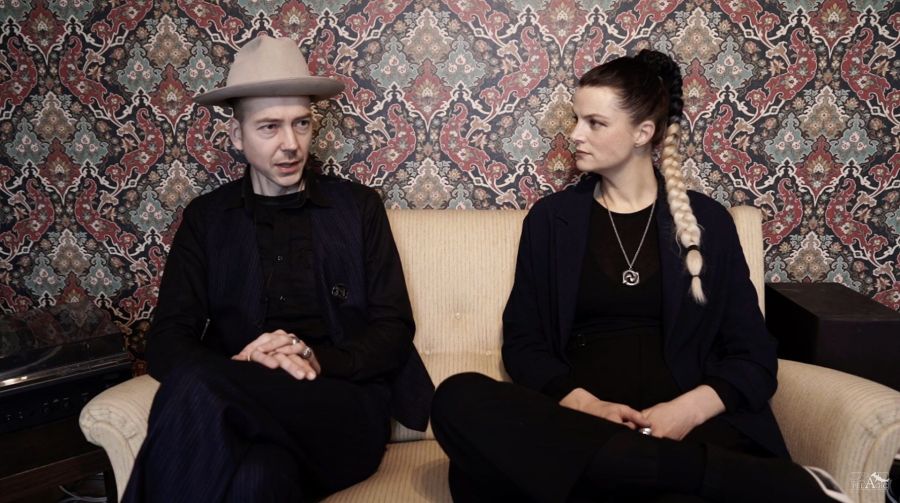
Hi Kjetil and thank you for your availability. I would start off by asking you how your band start, when and what your name means. Feel free to share whatever weird story you may have on your first steps as artists.
The band started many years ago back in Haugesund, Norway. We named ourselves after the landfill, the local garbage dump. The name itself is old norse and I don’t think anybody really knows what it means. There’s a plethora of weird stories from the first years as a band. Here’s one – The first couple of years we didn’t do much as I broke both my arms running from the police and was unable to play. Me and my bandmate Kristian was out kicking mailboxes downtown Haugesund when the police suddenly arrived with dogs and chased us through back alleys. Kristian got caught by the dog – huge bite marks – but I jumped over a fence and fell 3 meters down on the pavement. I was in coma for 48 hours. My elbow and my wrist broke and I took a bad beating to the face. Årabrot had just released the first 7” and the punks loved it. A few years later we released another 7” which came with a porn flyer. The punks did not like that.
Speaking about your influences, what are your main ones? I mean not only in music buto also cinema and literature. I know that Swans is a great inspiration for your band, and it shows, I also deeply love this band, when did you first hear them and what did they move inside you?
Swans is a curious band. I had their early CDs back in the 90s but didn’t really like them. The songs were long, monotonous and boring and at their worst they sounded like a moaning version of Crash Test Dummies. But when they returned around 2010 it was like a different band altogether and in my opinion they created their best work, some of the best work by any alternative rock-band I think. We have a record collection in our church which is pretty wide and varied, but mostly concentrated on rock-orientated music. I’d say my favourite all-time band would be Captain Beefheart. Can and Coil is up there too. Thematically we get inspired by a lot of different things, often literature and films. I just finished Jon Fosse’s ‘Kvitleik’ (Shining I think in English). It’s phenomenal.
You guys come from Norway that is a beautiful country filled with great history and amazing nature. How much you think that your contry influenced your art?
A lot. I’m from Haugesund on the west coast. It’s one of the places in Norway without snow. It’s about 12 degrees all year around. I have the constant wind and rain and fjords in my blood and there is no way I can escape that. I think it strongly influences the mood of the music.
Speaking of yout last record “Rite of Dionysus”, I love the title, reminds me of ancient an mysterious things, can you tell us more about and the meaning you give to it? In my review I noticed a shift in style, with more ethereal and open parts. Do you agree with my view?
I totally agree. The mood has changed a lot. I needed to process certain personal things, sickness, loss and death, heavy things. But it’s not all wailing in the dark. In the process I learnt that there is something else, something much better and positive, that I can reach for if I concentrate and focus on it. In some ways it relates to Nietzsche’s idea of finding and bringing to life your full potential. I have not reached my full potential yet, but at least I now know it’s there. This is the rite of Dionysus. The journey out of the dark and into the light.
I appreciated the sounds and the texture you used in your last record, did you get inspired by some particular piece of gear? I would be curious to know how much importance the instruments have in the creation of your music.
At least the house had a great importance. Our church studio creates a very specific atmosphere which you can easily hear on the record. Producer Alain Johannes captured it wonderfully. Karin also played some nice instruments to create certain emotions, like the Hammond, Mellotron, flute and pump organs.
I always ask artist about the birth of a song, I think the creative process that leads to a song is fascinating and every artist has his own unique method. Whitout spilling out too much of your secrets, can you tell us how do you write a song?
I usually make a song on an acoustic guitar with some rough vocals. They come easily to me and I have many song ideas. I record basic demos in our studio, basically just vocals and guitars before Karin joins me and we work on these demos until we have a proper structure. This is the time when Alain come in to produce and record.
I follow you edeavours since 2010 and one of my favourite record of yours is “Solar Anus”, how is your feeling towards that record? I think it’s still very interesting after almost 15 years.
We won the Norwegian Grammys with that record. Maybe the only Albini-produced Grammy? I like it. It was the first time we worked as a trio with synth bass, guitar and drums. I remember we spent a lot of time working on the songs with sound artist Concept.Virus. It created a fresh and new approach to our music.
I personally saw Arabrot playing live here in Italy, do you have good memories about it? Would you consider to return here to play some gigs?
Yes, absolutely. Where did you see us?
I saw you almost ten year ago in a beautiful place that is not there anymore, it was called Lo Fi in Milan. Back to you guys, since many of our readers are musicians, what advise can you give to someone who wants to make music?
Set yourself solid goals and never budge. It’s a nightmare trying to make a living on music, but it is possible. You’ll have to make some sacrifices. I have lived more than 10 years on noise rock. Even saying it feels like a joke.
What are your plans for the near future? I leave this last question to you in case you want to tell something to your Italian audience.
Firstly we will finish the first round of release shows up North, then I hope we can make it back to Italy next year.
Can’t wait! Thanks a lot for your time!
You’re most welcome!
 SEPULTURA: ad aprile il nuovo EP “The Cloud of Unknowing”
 GNARLS BARKLEY: a marzo il nuovo album “Atlanta”
 THE CLAYPOOL LENNON DELIRIUM: a maggio il nuovo album “The Great Parrot-Ox and the Golden Egg of Empathy”
 SQUAREPUSHER: ad aprile il nuovo album “Kammerkonzert”
 AMERICAN FOOTBALL: il nuovo singolo “Bad Moons”
 SOCIAL DISTORTION: a maggio il nuovo album “Born to Kill”
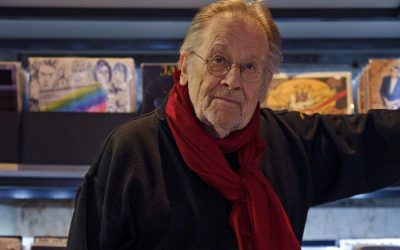 IRMIN SCHMIDT (Can): ad aprile il nuovo album “Requiem”
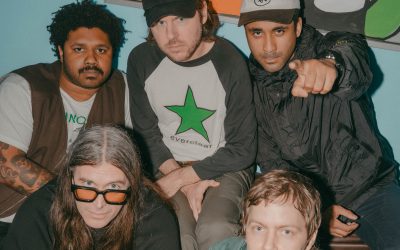 ANGEL DU$T: due date in Italia a maggio
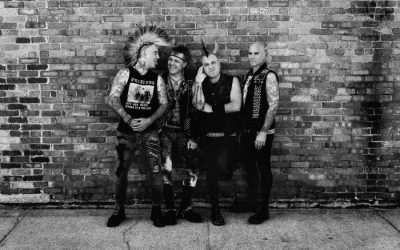 THE CASUALTIES: a marzo il nuovo album “Detonate”
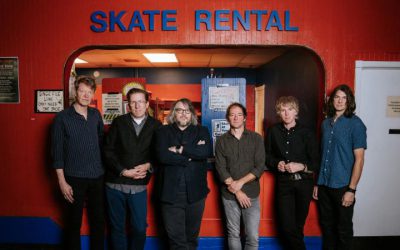 WILCO: due date in Italia in estate