
Interviste
Il teatro dell’oscurità: intervista a Heartworms
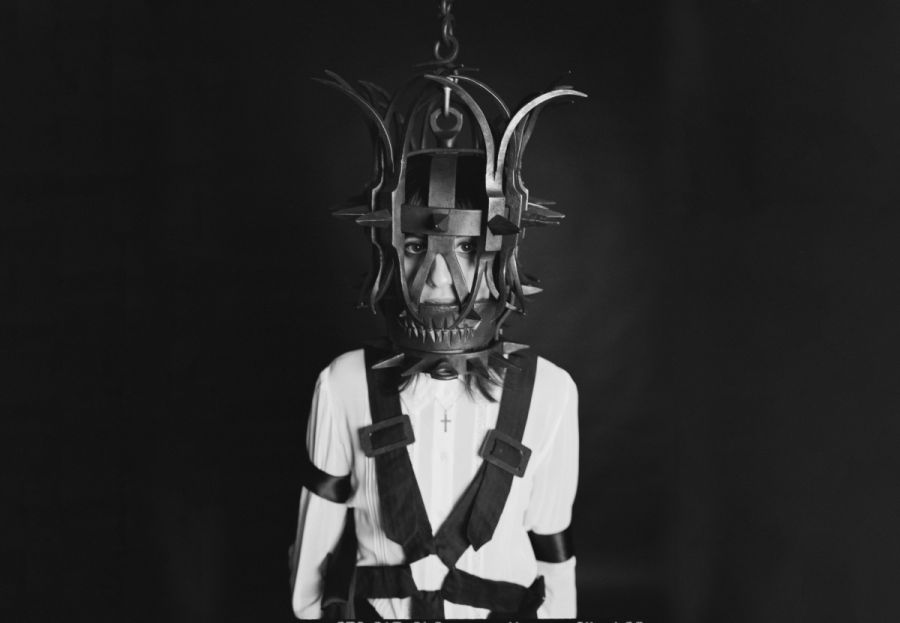
Con il suo “Glutton for Punishment” Heartworms, al secolo Jojo Orme, ha firmato un debutto che non passa inosservato, un’opera capace di fondere estetica gotica e sensibilità pop. Questa settimana l’artista inglese sarà finalmente in Italia per presentare dal vivo il suo lavoro, questi gli appuntamenti:
Mercoledì 22 ottobre — Largo Venue, Roma
Giovedì 23 ottobre — Bronson, Ravenna
Venerdì 24 ottobre — Arci Bellezza, Milano
L’abbiamo incontrata per parlare del suo percorso artistico, delle sue metamorfosi sonore e di ciò che significa, oggi, esporsi attraverso l’arte.
Da vecchie interviste ho letto che il tuo nome deriva dalla canzone Heartworms degli Shins, e che l’hai scelto perché suonava al tempo stesso divertente e oscuro. Penso che questa scelta si adatti perfettamente alle due anime del tuo progetto musicale: una miscela di oscurità gotica e sarcasmo pungente, che emergono in momenti diversi della tua musica. Come sei arrivata a questa fusione di elementi così antitetici?
Non è mai stata una decisione consapevole – mi affido all’istinto e faccio ciò che sento di dover fare. Heartworms non sarà mai una cosa sola, perché è la somma di tutto ciò che provo quando scrivo, e noi esseri umani siamo in continua trasformazione. Amo il gotico – nella letteratura, nell’architettura, nella moda, nella musica – e ne traggo ispirazione, ma questo non significa che voglia essere solo quello. L’unica cosa di cui sono certa è che non voglio essere incasellata.
Il tuo album “Glutton For Punishment” è stato accolto molto bene. Ti aspettavi un tale successo di critica? Che impressione hai oggi del disco, ora che è uscito da quasi un anno?
Ho messo moltissimo di me in quell’album, e sapere che risuona in alcune persone è qualcosa di molto speciale – ma in fin dei conti l’ho fatto perché avevo bisogno di tirar fuori le parole. Chiedimelo di nuovo tra un anno… ho bisogno di distanza per capirlo meglio. Ci sono ancora tante cose che vorrei cambiare, ma col tempo realizzerò che non contano davvero.
Mi sono preparato per questa intervista e sono tornato ad ascoltare il tuo EP d’esordio, “A Comforting Notion“. In soli due anni, il tuo suono è cambiato parecchio: c’è meno urgenza, meno distorsione, e più eleganza e orecchiabilità. Senti anche tu questo cambiamento nelle tue canzoni?
Passa molto tempo tra la scrittura di una canzone, la registrazione e infine la pubblicazione. In quegli anni sono cambiata molto – forse sono un po’ maturata. Sono ancora arrabbiata, mi sento ancora distorta dal mondo, ma ho imparato a sentire anche emozioni più sfumate. L’EP esiste, e non amo ripetermi quando scrivo. L’album mi ha dato più spazio per esplorare altre emozioni e altre storie.
È uscita da poco una nuova versione di “Glutton For Punishment”, chiamata Poetry Edition. Include una traccia inedita (Beat Poem, una sorta di Massive Attack in chiave goth-industrial) e tre versioni più delicate di brani già presenti nell’album. Questi potrebbero rappresentare due possibili direzioni future per il tuo suono?
In verità, non lo so. E anche se pensassi di sapere come si evolverà la mia musica, non lo direi. Non voglio l’opinione di nessun altro; voglio avere tempo e spazio per lasciare che le cose accadano in modo naturale. Comunque, mi sono davvero divertita a realizzare quei brani aggiuntivi per la Poetry Edition – è stato come allenare un muscolo musicale diverso, per così dire.
I tuoi concerti dal vivo sono particolarmente intensi. Da dove arriva quella dimensione teatrale? C’è qualcosa o qualcuno che ha influenzato in modo specifico il tuo modo di stare sul palco?
Sono cresciuta guardando video di Michael Jackson e Prince, quindi penso che l’idea di uno show totale, completo, e non solo di un’esecuzione musicale, mi sia entrata dentro fin da subito. Da bambina sognavo di fare l’attrice, prima ancora che la musicista – e un giorno mi piacerebbe ancora diventarlo. Voglio che chi viene a un mio concerto viva qualcosa che coinvolga più di un senso, che assista tanto a un atto teatrale quanto a un’esibizione musicale. E voglio permettermi di sentire davvero la performance, di abbandonarmi alle emozioni.
Collegandomi alla domanda precedente: vista la tua forte presenza scenica, l’Heartworms che vediamo sul palco è una maschera o è il tuo vero io? Come vivi la dimensione del concerto?
Le esibizioni dal vivo mi prosciugano – mi sento fisicamente ed emotivamente svuotata dopo. È un luogo vulnerabile, mettersi a nudo davanti a una folla di sconosciuti. Ma dire che Heartworms è semplicemente “me stessa” sarebbe troppo riduttivo – le persone contengono moltitudini, non siamo mai una cosa sola. È una parte di me che mi concedo di mostrare sul palco, ma non sono sempre così – e non voglio esserlo. Come diceva Laurence Olivier: “scava dentro un attore, e troverai un attore”.
Stiamo vivendo, senza troppi dubbi, tempi oscuri: tensioni, violenza e caos crescono ogni giorno, a livelli che solo pochi anni fa sembravano impensabili. Pensi che l’arte e gli artisti abbiano qualcosa da dire al riguardo, anche quando la loro arte non è apertamente politica?
Non fare o non dire nulla è comunque un’azione, una scelta. Tutti hanno una responsabilità, non solo gli artisti – non serve essere politici per essere morali, per avere umanità e compassione. E alcuni artisti diranno più di altri; è sempre stato così. Ma mi sorprende la rapidità con cui la gente tende a incolpare chi “non fa abbastanza” – come lo giudichi, se non lo conosci davvero? Dalla sua attività su Instagram? Mostrare solidarietà agli oppressi non è una gara, né una caccia alle streghe. Combattere tra di noi non serve a niente. Il mondo fa paura, e dobbiamo unirci nel nome del bene, creando spazio per tutti – anche per chi ha opinioni più sfumate delle nostre. Il punto di partenza migliore, se vuoi davvero aiutare, è la tua stessa comunità.
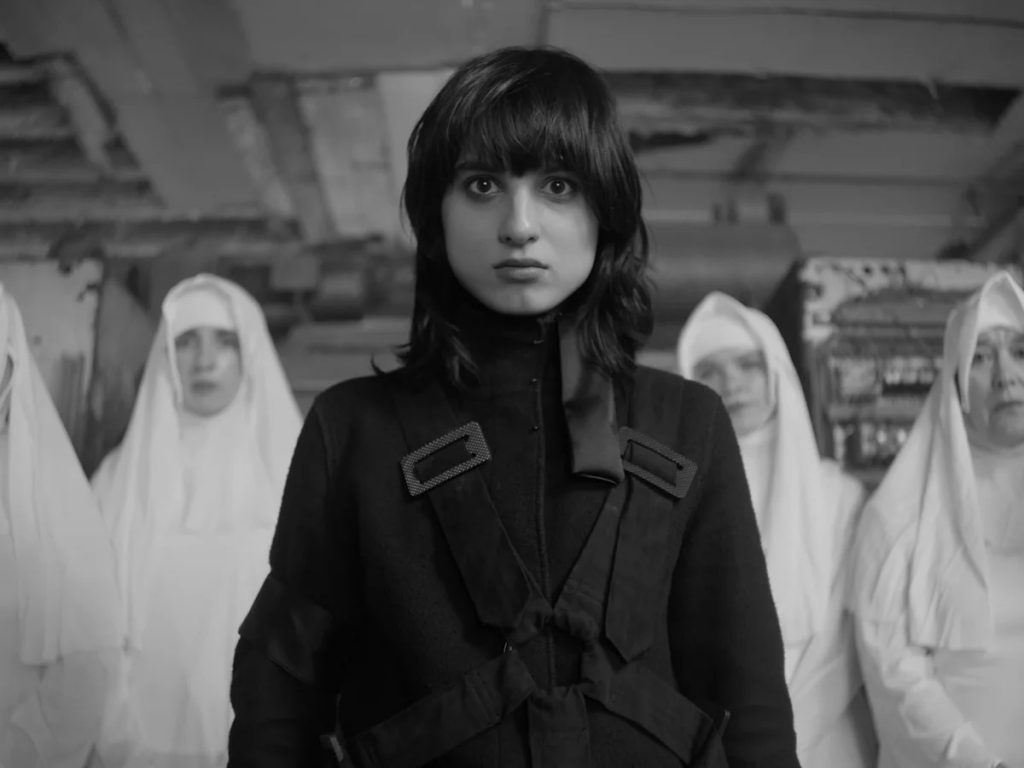
From older interviews, I have read that your name comes from the song Heartworms by The Shins, and that you chose it because it could sound both fun and obscure. I think this choice really suits both sides of your musical project: a blend of gothic darkness and snarky sarcasm, both of which emerge at different times in your music. How did you reach this fusion of antithetic elements?
It’s never been a conscious decision – I just trust my gut and make what I want to make. Heartworms will never be one thing because it’s a combination of everything I’m feeling when I write, and as people we’re always changing. I love the gothic – in literature, in architecture, in fashion, in music – and I find inspiration in it, but that doesn’t mean that’s all I want to be. The only thing I’m certain of is that I don’t want to be pigeonholed.
Your album, “Glutton For Punishment“, was really well received. Did you expect that critical acclaim? What are your thoughts on your album, now that it has been out for almost a year?
I poured a lot of myself into the album, and to know it resonates with some people is a very special thing – but ultimately, I made it because I had to get the words out. Ask me again in a year’s time… I need more hindsight. There’s still so many things I wish I could change, I need the distance to realise they’re not important.
I did my homework for this interview, and I went back to listen to your debut EP, A Comforting Notion. In just two years, your sound has changed quite a bit: there is less screaming and distortion, and more of an elegant catchiness. Do you feel this shift in your songs?
The time between first writing a song and then recording it, and then at last releasing it isn’t short. I changed a lot in those years – maybe I matured a little. I’m still angry, I still feel distorted by the world, but I’ve got more nuanced emotions too. The EP exists, and I don’t make a habit of repeating myself when it comes to writing. The album gave me more room to explore other emotions and other stories.
A new version of Glutton For Punishment, called the “Poetry Edition,” has been recently published. It includes both a new track (“Beat Poem”, Massive Attack going full goth-industrial) and three delicate renditions of songs originally from the album. Could these be two possible, alternative evolutions of your future sound?
In truth, I don’t know. And even if I did think I knew how the music was going to evolve, I wouldn’t tell. I don’t want anyone else’s opinion; I want to have the time and space to let things happen organically. I did enjoy making those extra songs on the Poetry Edition though – to flex a different musical muscle, so to speak.
Your live shows are particularly intense. How did you get that theatrical character? Is there something or someone that specifically influenced your performance style?
I grew up watching videos of Michael Jackson and Prince performing, so I think the idea of it being a whole, all-encompassing ‘show’ and not just a musical recital was ingrained in me. I dreamed of being an actor before a musician – I’d still like to be one day. I want people to come away from my live shows having had more than just one of their senses affected, like they’ve seen a piece of theatre as much as a piece of music. And I want to allow myself to truly feel the performance too, to give myself to the emotions.
Linked with the previous question: given your strong stage presence, is the Heartworms we see on stage a mask you wear for your performances, or are you actually revealing yourself? What is your approach to the concert dimension?
Live performances take a lot out of me – I feel physically and emotionally drained afterwards. It’s a vulnerable place to be, bearing your soul to a crowd of people you’ve never met. But to say Heartworms is revealing myself is too simple – people contain multitudes, I’m not just this or that. It’s a part of me that I’m allowed to show onstage, but I’m not like that all the time – I don’t want to be. In the words of Laurence Olivier: “scratch an actor, and you’ll find an actor.”
We are, without many doubts, living through dark times, with tensions, violence, and chaos rising day by day, to levels that seemed unbelievable just a few years ago. Do you think that art and artists have something to say in that regard, even when their art is not inherently political?
Doing or saying nothing is still an action, a choice. Everyone has a responsibility, not just artists – you don’t need to be political to be moral, to have basic humanity and compassion. And some artists are going to say more than others; it’s always been that way. But it amazes me how quickly people are to scapegoat those “not doing enough” – I mean, how are you judging that, when you don’t know them personally? Off their Instagram activity? Standing in solidarity with the oppressed isn’t a competition, nor is it a witch hunt. Fighting amongst ourselves achieves nothing. The world is a scary place, and we need to unite in the name of goodness, and there needs to be space for everyone – even those with more nuanced views than our own. The best place to start, if you want to help, is within your own community.
 SEPULTURA: ad aprile il nuovo EP “The Cloud of Unknowing”
 GNARLS BARKLEY: a marzo il nuovo album “Atlanta”
 THE CLAYPOOL LENNON DELIRIUM: a maggio il nuovo album “The Great Parrot-Ox and the Golden Egg of Empathy”
 SQUAREPUSHER: ad aprile il nuovo album “Kammerkonzert”
 AMERICAN FOOTBALL: il nuovo singolo “Bad Moons”
 SOCIAL DISTORTION: a maggio il nuovo album “Born to Kill”
 IRMIN SCHMIDT (Can): ad aprile il nuovo album “Requiem”
 ANGEL DU$T: due date in Italia a maggio
 THE CASUALTIES: a marzo il nuovo album “Detonate”
 WILCO: due date in Italia in estate