
Interviste
La musica, la famiglia e l’amicizia. La mia vita: intervista ad Alain Johannes

Senza giraci troppo intorno, Alain Johannes è un’autentica leggenda: polistrumentista e collaboratore nel corso di una carriera trentennale di gente come Queens of the Stone Age, Them Crooked Vultures, PJ Harvey, Chris Cornell, Arctic Monkeys e Mark Lanegan, ai quali spesso ha offerto le sue doti uniche di produttore ricercatissimo e affidabilissimo. E poi c’è la sua carriera “in proprio”, prima con gli Eleven, poi da solista (il suo ultimo album “Hum“, uscito nel 2020, è un autentico gioiellino.
Giusto questa settimana sarà in tour in Italia con The Devils (per i quali ha prodotto l’ultimo album “Let The World Burn Down“) e Ananda Mida: si esibirà in solo e in compagnia proprio dei The Devils, proponendo dal vivo anche alcune chicche del repertorio dei Queens of The Stone Age. Queste le date:
04/23 Milano – Arci Bellezzahttps://www.arcibellezza.it/
04/24 Savona – Raindogs Househttps://raindogshouse.com/
04/25 Treviso – Maximum Festival @ Altroquandohttps://www.godownrecords.com/events-1/maximum-festival-2024
04/26 Macerata – CSA Sismahttps://www.csasisma.org/
04/27 Ravenna – Bronsonhttps://www.bronsonproduzioni.com/
Abbiamo colto l’occasione per intercettarlo e scambiare con lui qualche impressione sul tour che sta per prendere il via, sui suoi progetti e sullo stato della musica in generale.
Ciao Alain! è un onore averti qui in redazione. Come stai? Mi auguro che tutto proceda per il meglio.
Ciao! Sto bene, grazie!
Sei pronto a partire con i The Devils per un tour italiano. Com’è stato collaborare con loro? E come ti senti visto che tra qualche giorno condividerete il palco insieme?
Ci siamo divertiti moltissimo a realizzare “Beast Must Regret Nothing” a Napoli prima della pandemia. Andiamo molto d’accordo e amo davvero la loro musica e la loro atmosfera, sia come persone che come artisti. Ho mixato il nuovo album e sarà molto divertente suonarlo insieme e non vedo l’ora di ascoltarlo ogni sera.
I biglietti per questo minitour sono quasi sold-out, credo sia un bellissimo feedback per te. Te lo aspettavi?
Assolutamente. Sono sempre felice quando so che la mia vita nella musica ha toccato le persone e che sono entusiaste di venire ad ascoltare la musica dal vivo.
Da quanto non ritornavi nel nostro paese? Hai per caso qualche esperienza con l’Italia che ci vuoi raccontare?
È passato un bel po’, quasi quattro anni. Ho un bellissimo ricordo della mia band Eleven in tournée in Italia con i Soundgarden e i Pearl Jam e poi più tardi con la band solista di Chris Cornell per l’Euphoria Mourning tour. Successivamente poi con Queens Of The Stone Age, Them Crooked Vultures e PJ Harvey. Trovo che il pubblico italiano sia davvero appassionato e coinvolto. Lo adoro.
Molta gente ti conosce tramite le tante collaborazioni e anche per aver partecipato all’incisione di album importantissimi di artisti altrettanto fondamentali. Ricordiamo i Queens Of The Stone Age, Them Crooked Vultures, PJ Harvey, l’amato Mark Lanegan e tanti altri. In generale, che ruolo giocano le collaborazioni nel tuo modo di approcciarti alla musica? Quali sono i tuoi metodi preferiti nell’interagire con altri artisti all’interno del processo creativo?
Per me è un continuum, fa tutto parte della vita quotidiana e dell’essere asservito a questa musa e al processo creativo e il modo di vivere dell’artista. Mi sono affacciato alla musica già quando avevo quattro anni, inclusa la registrazione e il suonare più strumenti. Sono affascinato dal suono, dalla consistenza e dalla comunicazione attraverso la musica. Ho avuto la fortuna di avere uno spirito collaborativo naturale. L’amore per la famiglia, l’amicizia e l’essere parte di un gruppo che lotta insieme per creare qualcosa di più grande delle singole parti. Un “magico incantesimo familiare” se vuoi.
Uno dei miei album preferiti di sempre è “Songs for the deaf”, al quale tu hai partecipato, in particolare alle canzoni First It Giveth, Six Shooter, Hangin’ Tree e Another Love Song. Cosa ricordi di quel 2002?
Avevamo appena registrato le “Desert Session 7&8” ed è stato un periodo intensamente creativo. Per me e Natasha Shneider, personalmente per quanto riguarda la nostra band Eleven, ma anche per Jack Irons con cui sono cresciuto suonando da quando avevo 14 anni: era appena tornato dopo qualche anno nei Pearl Jam e abbiamo creato il nostro ultimo album “Howling Book” tra un ospitata e l’altra su “Songs for the Deaf“.
Com’ è nata la tua amicizia con Josh Homme? Ti va di raccontarcela?
Ci siamo incontrati ufficialmente quando siamo finiti entrambi nei dischi della Interscope. Siamo andati in tour insieme subito dopo l’uscita di “Rated R“. Ci eravamo visti al matrimonio di Matt Cameron, avevamo cantato l’Ave Maria insieme ed era curioso di vedere questa coppia dall’aspetto da vampiro. Subito dopo il tour ho registrato le b-side al Sound City e ci vedevamo praticamente ogni giorno. Avevamo una connessione naturale e io e Natasha trovavamo Josh incredibilmente divertente e intelligente, oltre che super talentuoso. Questo nostro profondo legame di amicizia continua ancora oggi.
Hai avuto inoltre la fortuna di collaborare con due artisti leggendari e indimenticabili come Chris Cornell e Mark Lanegan: com’è stato lavorare con loro? C’è qualcosa che vorresti ricordare di queste esperienze?
È stato davvero un dono. Ma avevamo anche un modo naturale di creare insieme. Per Mark ero quasi come uno strumento, perché potevo manifestare tutto ciò che sentiva nella sua mente musicale. È stato intenso ma divertente creare l’atmosfera di quegli album ed è stato fantastico avere amici e collaboratori tosti che completavano le canzoni. Quando era finalmente soddisfatto del lavoro che avevamo fatto, cantava la canzone un paio di volte ed eravamo a posto. Con Chris invece, in particolare durante le sessioni di “Euphoria Mourning“, Natasha, Chris e io abbiamo passato molte ore a sperimentare e a dare vita a quelle canzoni in un’atmosfera totalmente rilassata nello studio di casa. Si è fidato di noi e abbiamo raggiunto un altissimo livello di simbiosi. Per me “Euphoria Mourning” è un classico senza tempo.
Il tuo ultimo album “Hum” risale al 2020. Hai in programma di lavorare su qualcos’altro di personale nei prossimi tempi?
Si! Ho un album in trio in lavorazione con Cote e Felo Foncea e un album solista pronto a manifestarsi. L’energia si è accumulata e dopo che avrò superato questo ciclo di tour e avrò finito i miei impegni di produzione mi concentrerò sulla registrazione. Probabilmente nel tardo autunno del 2024.
Vorrei parlare un po’ del tuo lavoro di produttore, per il quale sei conosciutissimo. Com’è nata questa tua esperienza così importante? Com’è iniziato il tuo rapporto con il creare musica?
È iniziato come una naturale estensione della mia vita da musicista, iniziata quando ero molto giovane. Mio zio Peter aveva delle band con cui provava a registrare a casa di mia madre, quindi ho avuto accesso a strumenti e apparecchiature di registrazione da quando avevo 7 anni. Ho iniziato a suonare a 4 anni, a quel tempo ero abbastanza sviluppato. C’era sempre un registratore multitraccia e microfoni in giro. Penso che continuare durante la mia adolescenza abbia portato ad una naturale curiosità e al desiderio di esplorare e imparare tutto ciò che riguarda la musica. Inclusa la creazione di fantastiche registrazioni.
Nei tuoi tanti anni di carriera quali sono state le più importanti sfide a livello compositivo e produttivo, e come sono mutate nel tempo?
Cerco di rinascere ogni giorno, nel senso che conservo la mia naturale curiosità infantile, cerco di non avere tanti trucchi e adoro diventare un membro extra di qualsiasi band o artista con cui lavoro, sintonizzarmi su quel mondo musicale ed essere d’aiuto e ispirare al massimo livello possibile. A volte devo adattarmi a un modo diverso di lavorare quando il processo è più intenso o si presenta più tensione, a seconda dell’artista. Non è il mio modo naturale di essere, ma mi piace crearlo mentre sono piuttosto rilassato. Ma uno si adegua.
Sempre più nel processo di creazione musicale si fa largo uso della tecnologia. L’esempio più recente e più estremo è forse quello dell’utilizzo dell’intelligenza artificiale per “riportare in vita” artisti scomparsi tramite la loro musica. O ancora, ci sono etichette discografiche che lavorano solo tramite l’intelligenza artificiale producendo da nulla dischi e artisti di fatto virtuali. Cosa ne pensi? Più in generale, come vedi il rapporto tra tecnologia e creatività?
C’è sempre stata quella relazione. Fin dall’inizio sono comparsi strumenti nuovi e la musica si è sviluppata di conseguenza. Penso che l’intelligenza artificiale potrebbe essere un buon modo per interfacciarsi con la propria creatività, ma purtroppo, come spesso accade, il lato commerciale sposterà l’ago della bilancia verso una musica predigerita, meno artistica o ispirata a sfide creative. Penso che non ci siamo ancora sviluppati abbastanza spiritualmente o mentalmente per gestire adeguatamente ciò che sta avvenendo. Ho sempre fede, ma sta diventando sempre più debole.
Tra i tantissimi dischi su cui hai lavorato ce n’è qualcuno che ha cambiato il tuo modo di relazionarti con la musica o per il quale hai dovuto farlo?
Oltre agli album degli Eleven, che sono stati per me e Natasha il parco giochi per imparare ed esplorare, penso che “Euphoria Mourning” mi abbia portato in un luogo di massima collaborazione altruistica e realizzazione attraverso una passione focalizzata e un incessante innalzamento del livello. Sono molto orgoglioso di quel disco.
Al giorno d’oggi sempre più persone si lanciano nell’avventura della “music production”. C’è qualche consiglio che vorresti dare a chi volesse approcciarsi a questo mondo vastissimo?
È illimitata ed è una grande fonte di gioia e un ottimo mezzo per comunicare l’esperienza umana. Dico solo: ascolta, ascolta, ascolta tanta musica di ogni cultura e periodo storico e trova il filo che parla della nostra storia come esseri umani nell’universo e parte nella natura. Quindi traducilo in suono.
Se potessi rivivere tutta la tua carriera, ci sarebbe qualcosa che vorresti cambiare? Di cosa sei più orgoglioso?
Non cambierei nulla. Sono orgoglioso di tutto ciò, fa parte del percorso del processo.
Ti ringraziamo molto Alain per averci dedicato un po’ di tempo. In bocca al lupo per il tour. Ci vediamo sotto il palco!
Grazie a voi!

Hello Alain! It’s an honor to have you here in the editorial office. How are you? I hope everything is going well.
I’m well thank you!
You’re ready to start with The Devils for an Italian tour. How was it collaborating with them? And how do you feel knowing that in a few days you’ll be sharing the stage together?
We had an amazing time making “Beast Must Regret Nothing” in Napoli pre pandemic. We got along great and I really love their music and vibe as people and artists. I mixed the new album and it’ll be a lot of fun to play together I’ll enjoy listening nightly.
Tickets for this mini-tour are almost sold out, I believe it’s great feedback for you. Did you expect it?
I’m always happy when I know my life in music has touched people and that they’re excited to come hear the music live.
How long has it been since you last returned to our country? Do you have any experiences with Italy that you’d like to share?
It’s been a bit almost 4 years. I have great memories of my band Eleven touring in Italy with Soundgarden and Pearl Jam. Then later with Cornell solo Euphoria Mourning band. QOTSA, TCV, PJ Harvey. I find the audiences really passionate and involved. Love it.
Many people know you through your numerous collaborations and for your involvement in the recording of very important albums by equally fundamental artists. We remember Queens Of The Stone Age, Them Crooked Vultures, PJ Harvey, the beloved Mark Lanegan, and many others. In general, what role do collaborations play in your approach to music? What are your favorite methods of interacting with other artists in the creative process?
For me it’s a continuum it’s all part of the daily life of being in servitude to the muse and the creative process, the artist’s way/life. I’ve prepared since I was 4 in all things music including recording and playing multiple instruments. I have a fascination with sound, texture and communication through music. I’ve been blessed with a natural collaborative spirit. A love of family, friendship and being part of a group who strive together to create something greater than the individual parts. A “magical familial incantation” if you will.
One of my all-time favorite albums is “Songs For The Deaf,” to which you contributed, particularly to the songs First It Giveth, Six Shooter, Hangin’ Tree, and Another Love Song. What do you remember from that 2002?
We had just recorded “Desert Sessions 7&8” and it was an intensely creative period. For Natasha and I personally in terms of our band Eleven, Jack Irons who I grew up playing with since we were 14 had just returned from being in Pearl Jam a few years and we created our last album. “Howling Book” in between guesting on “SFTD“.
How did your friendship with Josh Homme come about? Would you like to tell us about it?
We officially met when we both ended up on Interscope records. We toured together right after they released “Rated R“. He had seen us at Matt Cameron’s wedding we sang Ave Maria and he was curious about this vampire looking couple lol. Immediately after the tour I recorded the b-sides at Sound City and we would hang out almost daily. We had a natural connection and Nat and I found Josh to be incredibly funny and smart besides super talented. The deep connection continues to this day.
You also had the fortune of collaborating with two legendary and unforgettable artists like Chris Cornell and Mark Lanegan: what was it like working with them? Is there anything you’d like to remember from these experiences?
It was beyond a gift really. But we also had a natural way of creating together. To Mark I was almost like an instrument through he could manifest anything he heard in his musical mind. It was intense but fun to create the atmospheres of those albums and so awesome to have badass friends and collaborators complete the songs. When he was happy with where we ended up he would sing the song a couple times and we were good to go. With Chris especially the “Euphoria Mourning” sessions, Natasha, Chris and I spent many hours experimenting and bringing those songs to life in a totally relaxed atmosphere at our home studio. He trusted us and we reached a very high level of symbiosis to me “EM” is a timeless classic.
Your latest album “Hum” dates back to 2020. Do you plan to work on something else personal in the near future?
Yes! I have a trio album in the works with Cote and Felo Foncea and a solo album that’s ready to manifest. The energy has built up and after I get through this touring cycle and finish my production commitments I’ll focus on recording them. Probably late fall of 2024.
I’d like to talk a bit about your work as a producer, for which you are well-known. How did this important experience of yours come about? How did your relationship with creating music start?
It started as a natural extension of my life as a musician which began when I was really young. My uncle Peter had bands that he rehearsed at my mother’s place so I had access to instruments and recording gear since I was 7. I started playing at 4 and was quite developed by that time. There was always a multi track recorder and microphones around. I think that continuing into my teenage years led to a natural curiosity and desire to explore and learn all things music. Including creating great recordings.
In your many years of career, what have been the most important compositional and production challenges, and how have they changed over time?
I try to be reborn each day in the sense that I retain my natural childlike curiosity try not to have a bag of tricks and I love to become an extra member of any band or artist I work with tune in to that musical world and be assistive and also inspire the highest level possible at the time. Sometimes I have to adjust to a different way of working when the process is more intense or has more tension depending on the artist. It’s not my natural way of being I like to create while pretty chill lol. But one adjusts.
Increasingly in the music creation process, technology plays a significant role. The most recent and extreme example is perhaps the use of artificial intelligence to “revive” deceased artists through their music. Or still, there are record labels that work solely through artificial intelligence producing records and artists essentially virtually. What do you think about this? More generally, how do you see the relationship between technology and creativity?
There’s always been that relationship. Newer instruments have appeared since the beginning and music has developed accordingly. I think AI could be a good tool to interface with one’s own creativity but sadly as is most often the case the business side will tip the balance towards predigested less artistic or challenging inspired music. I think we haven’t developed enough spiritually or mentally to properly handle what’s coming. I always have faith but it’s growing dimmer lol.
Among the many records you’ve worked on, is there one that has changed your way of relating to music or for which you had to do so?
Besides Eleven albums which were Natasha and I’s playground for learning and exploring I think “Euphoria Mourning” brought me to a place of highest selfless collaboration and achievement through focused passion and relentless raising of the bar. Very proud of that one.
Nowadays, more and more people are venturing into the adventure of “music production.” Is there any advice you would like to give to those who want to approach this vast world?
It’s limitless and it’s a great fountain of joy and a great medium to communicate the human experience. I say listen listen listen to music from every culture and time period find the thread that speaks of our story as human beings in the universe as our part in nature. Then translate that into sound.
If you could relive your entire career, is there anything you would like to change? What are you most proud of?
I would not change a thing. I feel proud of all of it it’s all part of the path of the process.
Thank you very much, Alain, for taking the time to talk to us. Good luck with the tour. See you under the stage.
Thank you!!!

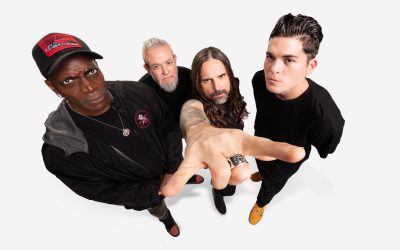 SEPULTURA: ad aprile il nuovo EP “The Cloud of Unknowing”
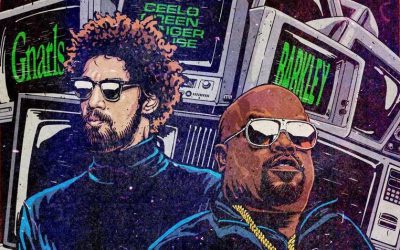 GNARLS BARKLEY: a marzo il nuovo album “Atlanta”
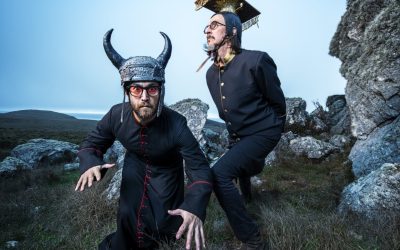 THE CLAYPOOL LENNON DELIRIUM: a maggio il nuovo album “The Great Parrot-Ox and the Golden Egg of Empathy”
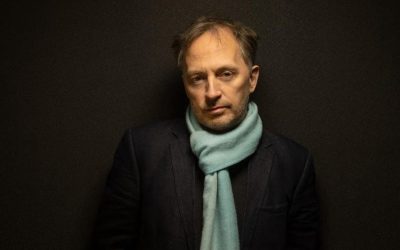 SQUAREPUSHER: ad aprile il nuovo album “Kammerkonzert”
 AMERICAN FOOTBALL: il nuovo singolo “Bad Moons”
 SOCIAL DISTORTION: a maggio il nuovo album “Born to Kill”
 IRMIN SCHMIDT (Can): ad aprile il nuovo album “Requiem”
 ANGEL DU$T: due date in Italia a maggio
 THE CASUALTIES: a marzo il nuovo album “Detonate”
 WILCO: due date in Italia in estate